Large-Breed Tactical No-Pull Harness: Handle & Fit Guide
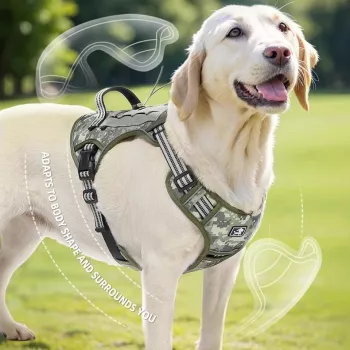
Tactical No-Pull Dog Harness with Handle for Large Breeds: Fit, Control, and Everyday Use
Large dogs can be powerful on leash, especially in busy areas or when distractions appear. A tactical-style no-pull harness with a sturdy top handle is built to improve control, reduce strain compared with collar-only walking, and give a secure “grab point” when extra guidance is needed. For many handlers, the right harness setup turns daily walks into calmer, safer routines—without relying on discomfort or harsh corrections.
What Makes a Tactical Harness Different
Tactical-style harnesses are designed around stability and handling. Compared with minimalist strap harnesses, they typically use reinforced panels, wider webbing, and more structured shapes to help the harness stay put when a strong dog surges, spins, or tries to lunge.
- Reinforced construction aimed at stability during strong pulling or sudden lunges.
- A top handle designed for close control in tight spaces (doorways, stairs, crowds, vet visits).
- Multiple attachment points (often front and back) to support different walking styles and training goals.
- More coverage and padding than minimalist straps, which can help distribute pressure more evenly across the chest and torso.
For general dog-handling safety reminders—especially around unfamiliar dogs and high-stress situations—see the American Veterinary Medical Association (AVMA) guidance on dog safety.
Key Features to Look For on Large-Breed No-Pull Harnesses
Not all “no-pull” harnesses perform the same on big bodies. For large breeds, the best options balance training-friendly leash geometry with comfort and hardware that holds up under real force.
- Front clip option: helps redirect forward motion and encourages turning back toward the handler when pulling starts.
- Back clip option: useful for casual walks and for dogs that already walk politely on leash.
- Wide, padded chest and belly straps: helps reduce rubbing and hot spots during longer walks.
- Adjustability at multiple points: improves fit across deep-chested, stocky, or long-bodied breeds.
- Strong buckles and stitching: look for secure hardware and reinforced stress points for safety.
- Handle placement and structure: a firm, easy-to-grip handle is most useful for quick, controlled guidance.
Solid walking habits still matter. For practical leash-walking fundamentals, the ASPCA dog walking tips are a helpful companion to any equipment choice.
Sizing and Fit Checklist for Common Large Breeds
A no-pull harness can only “work” if it fits. Poor fit can cause twisting (less control), rubbing (skin irritation), and even escape risk if the dog can back out. Before ordering, measure carefully and compare against the brand’s size chart.
- Measure girth (widest part behind the front legs) and lower neck; compare to the harness size chart before ordering.
- Aim for a snug, stable fit: two-finger clearance under straps is a common comfort check while preventing shifting.
- Watch for gapping at the chest or underarms; a harness that slides can reduce control and cause rubbing.
- For deep-chested breeds (Doberman, Boxer), prioritize chest strap adjustability; for broad breeds (Bulldog-type), prioritize neck/shoulder range.
- Do a short indoor trial: ensure full shoulder movement and that the harness does not ride into the armpits.
| Check | What to Look For | Why It Matters |
|---|---|---|
| Chest strap position | Sits across the chest without pressing on the throat | Helps keep breathing unrestricted and improves control |
| Underarm clearance | No pinching or rubbing when walking | Reduces chafing and irritation |
| Harness stability | Doesn’t twist when the dog turns | Improves handling and reduces escape risk |
| Handle access | Easy to grab without bending straps | Allows quick guidance in crowded or risky moments |
Using the Handle Safely and Effectively
A top handle is one of the biggest advantages of a tactical harness, but it works best when used intentionally. Think of it as a short-range steering wheel, not a lifting strap.
Reward-based training builds cooperation around handling. For a clear overview of positive reinforcement approaches, the RSPCA training guidance is a useful reference.
Front Clip vs Back Clip: When to Use Each
| Situation | Recommended Clip | Tip |
|---|---|---|
| New environment, lots of distractions | Front | Keep leash short enough to prevent surging, reward check-ins |
| Neighborhood walk with steady pace | Back | Allow a little slack to reinforce calm walking |
| Crowded area or tight pathway | Front + handle as needed | Use handle for brief steering, not lifting |
| Training sessions for loose-leash walking | Front | Mark and reward when the leash stays loose |
Product Options Available
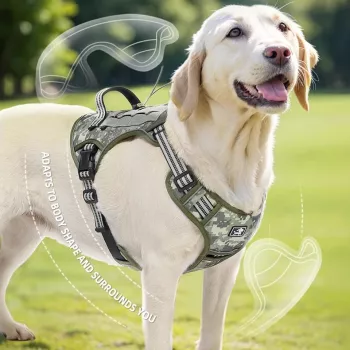
- Tactical No-Pull Dog Harness with Handle for Large Breeds: designed for added control and close handling support.
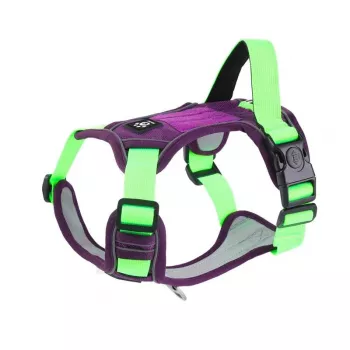
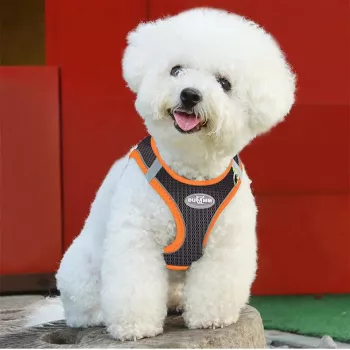
- No-Pull Reflective Adjustable Dog Harness with Easy Strap-On Design: a lighter alternative emphasizing visibility and simpler on/off for everyday walks.
| Option | Best For | Notable Strength |
|---|---|---|
| Tactical No-Pull Dog Harness with Handle for Large Breeds | Strong pullers, busy areas, close control | Top handle for quick guidance and reinforced feel |
| No-Pull Reflective Adjustable Dog Harness with Easy Strap-On Design | Daily walks, lower bulk, visibility | Reflective elements and easy strap-on setup |
Care, Maintenance, and Longevity
FAQ
Does a no-pull harness stop pulling immediately?
A no-pull harness helps manage pulling by redirecting force, but consistent loose-leash training and rewards are still needed. Using a front clip often reduces pulling faster for many dogs, especially in distracting environments.
Is a handle on a dog harness safe to use?
Yes—when used for brief steering and stabilization, such as guiding past obstacles or maintaining close control. Avoid lifting by the handle unless the harness is specifically rated for lifting, and use the leash as the primary source of steady direction.
How tight should a large-breed harness fit?
Aim for a snug fit with about two-finger clearance under the straps, without restricting movement. After a short walk, re-check for armpit rubbing and twisting, then adjust until the harness stays stable.









Leave a comment