Whole You Wellness: Simple Daily Habits for Beginners
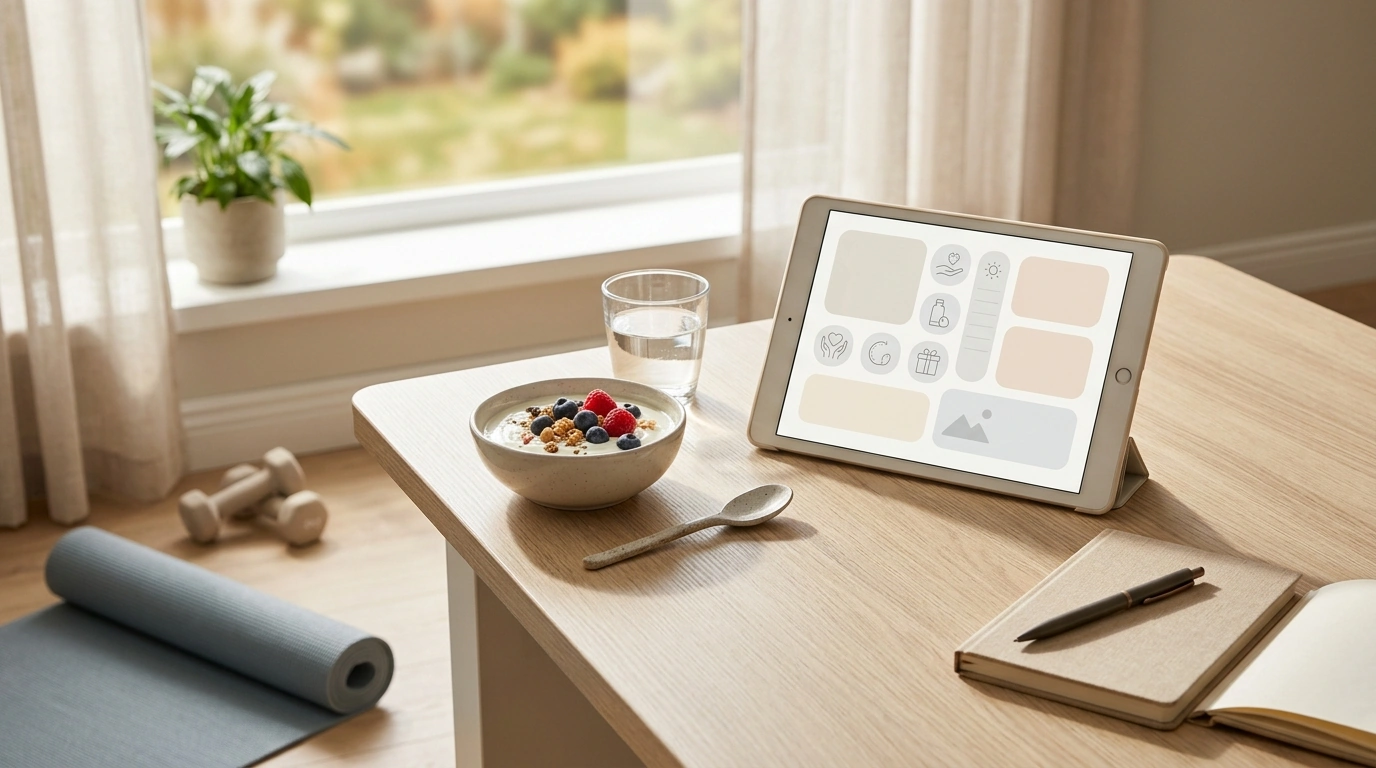
Whole You: A Beginner-Friendly Holistic Wellness Guide for Daily Nutrition, Movement, Mindset, and Self-Care
A balanced wellness routine doesn’t need to be complicated—it needs to be consistent and realistic. “Whole You” wellness is a simple way to connect four everyday pillars—nutrition, movement, mental health habits, and self-care—so they support each other instead of competing for your time. The goal isn’t a perfect plan; it’s a doable rhythm that steadies energy, improves mood, and helps you feel more like yourself on regular weekdays, not just “reset” weeks.
What “Whole You” Wellness Means (and Why Beginners Thrive With It)
Holistic wellness connects physical habits (food, movement, sleep) with emotional and mental wellbeing (stress, thoughts, boundaries). When you’re starting out, that connection is your advantage: one small upgrade often makes the next one easier.
Instead of occasional intense overhauls, aim for tiny actions you can repeat. A 10–20 minute daily routine can outperform big bursts followed by burnout because it builds trust with yourself and keeps your baseline steady.
Another beginner-friendly rule: add supportive habits before trying to remove everything at once. Adding a protein-forward breakfast, a short walk, or a consistent bedtime cue typically creates momentum naturally.
Finally, sustainable plans are personal. Preferences, schedule, budget, culture, and current health needs matter. Your “whole you” routine should feel like it fits your real life—because that’s the version you’ll keep.
Pillar 1: Nutrition That Feels Simple, Not Strict
Beginner nutrition works best when it’s built around steadier energy, not stricter rules. A practical approach is “balanced plates”: include a protein source, fiber-rich carbs, colorful produce, and healthy fats. This combination supports fullness, smoother blood sugar, and fewer mid-afternoon crashes.
If you want a single, high-impact upgrade, choose one: add protein at breakfast (eggs, Greek yogurt, tofu scramble) or add one extra fruit/vegetable per day. Both are small enough to repeat, and they compound quickly.
Hydration is another quiet game-changer. Aim for consistent water intake across the day. If you sweat heavily, live in a hot climate, or do longer workouts, electrolytes can help you feel better during and after movement.
Plan for real life with quick staples: frozen vegetables, canned beans, yogurt, eggs, rotisserie chicken, and pre-washed greens. These reduce decision fatigue and make balanced meals feel automatic instead of effortful. For an evidence-based foundation, the Dietary Guidelines for Americans offers practical patterns you can adapt to your preferences.
Beginner plate-building shortcuts
| Meal moment | Easy protein | Fiber + color | Healthy fat add-on |
|---|---|---|---|
| Breakfast | Greek yogurt or eggs | Berries, banana, or spinach | Nuts or chia |
| Lunch | Tuna, beans, or chicken | Salad kit + extra veggies | Olive oil or avocado |
| Dinner | Tofu, fish, or lean meat | Frozen vegetable mix | Tahini or olive oil |
| Snack | Cottage cheese or edamame | Apple, carrots, or grapes | Peanut butter or seeds |
Pillar 2: Exercise for Energy, Strength, and Stress Relief
The best workout plan is the one you’ll repeat. Choose a minimum that feels almost too easy: 10 minutes of walking, stretching, or bodyweight work. Consistency builds identity (“I’m someone who moves daily”), and identity keeps habits going.
Mix the basics: regular walking plus 2–3 days per week of strength training supports joints, metabolism, and mood. If you need a starting point, think “push, pull, squat, hinge, carry, brace.” Beginner-friendly staples include squats to a chair, wall push-ups, hip hinges (like a gentle deadlift pattern), resistance-band rows, and short core holds.
Make movement easier to start. Put shoes by the door, schedule “movement snacks” between tasks, or pair walks with calls and podcasts. For weekly targets and safety guidance, the Physical Activity Guidelines for Americans is a reliable reference.
Recovery is part of training, not a reward for training. Sleep, protein, hydration, and rest days help results show up without burnout—especially when you’re new.
Pillar 3: Mental Health Habits That Fit Into Busy Days
Thought hygiene can be simple: write down recurring worries, then add one small next step. Turning a loop into a plan reduces mental load. Connection matters too—consistent check-ins with a friend, family member, or support group can reinforce resilience over time. The World Health Organization’s mental health overview highlights how supportive environments and early help-seeking protect wellbeing.
Pillar 4: Self-Care That Actually Restores (Not Just “Treats”)
A 7-Day Starter Rhythm (Beginner, Flexible, Repeatable)
Using a Beginner Wellness Ebook to Stay Consistent
If you want a ready-to-use framework that covers nutrition, exercise, mental health, and self-care in one place, consider Whole You: Holistic Wellness Guide (Digital Download).
Helpful add-ons that support daily wellness routines
- No-Pull Reflective Adjustable Dog Harness with Easy Strap-On Design (a small nudge toward more consistent walks)
- Premium 8-Piece Barber Cutting & Styling Kit for Real Hair Wigs (a practical self-care tool for grooming routines)
FAQ
How long does it take to feel results from a beginner wellness routine?
Many people notice improvements in stress and energy within 1–2 weeks when sleep, hydration, and daily movement become more consistent. Strength and body composition changes typically take 6–12 weeks of steady habits. Tracking small wins (better mood, fewer cravings, improved sleep) helps you stay motivated while bigger changes build.
What if there’s no time for workouts?
Use 5–10 minute “movement snacks” throughout the day, take walking calls, or do a short strength circuit twice a week. Consistency matters more than duration, and brief sessions still improve mood, mobility, and energy when you repeat them.
Is holistic wellness a replacement for medical care?
No—holistic wellness complements medical care by supporting daily habits that improve resilience and recovery. For diagnosis, treatment, persistent symptoms, urgent concerns, or mental health crises, consult qualified healthcare professionals promptly.












Leave a comment