USB Rechargeable Bike Headlight + Taillight Set Guide
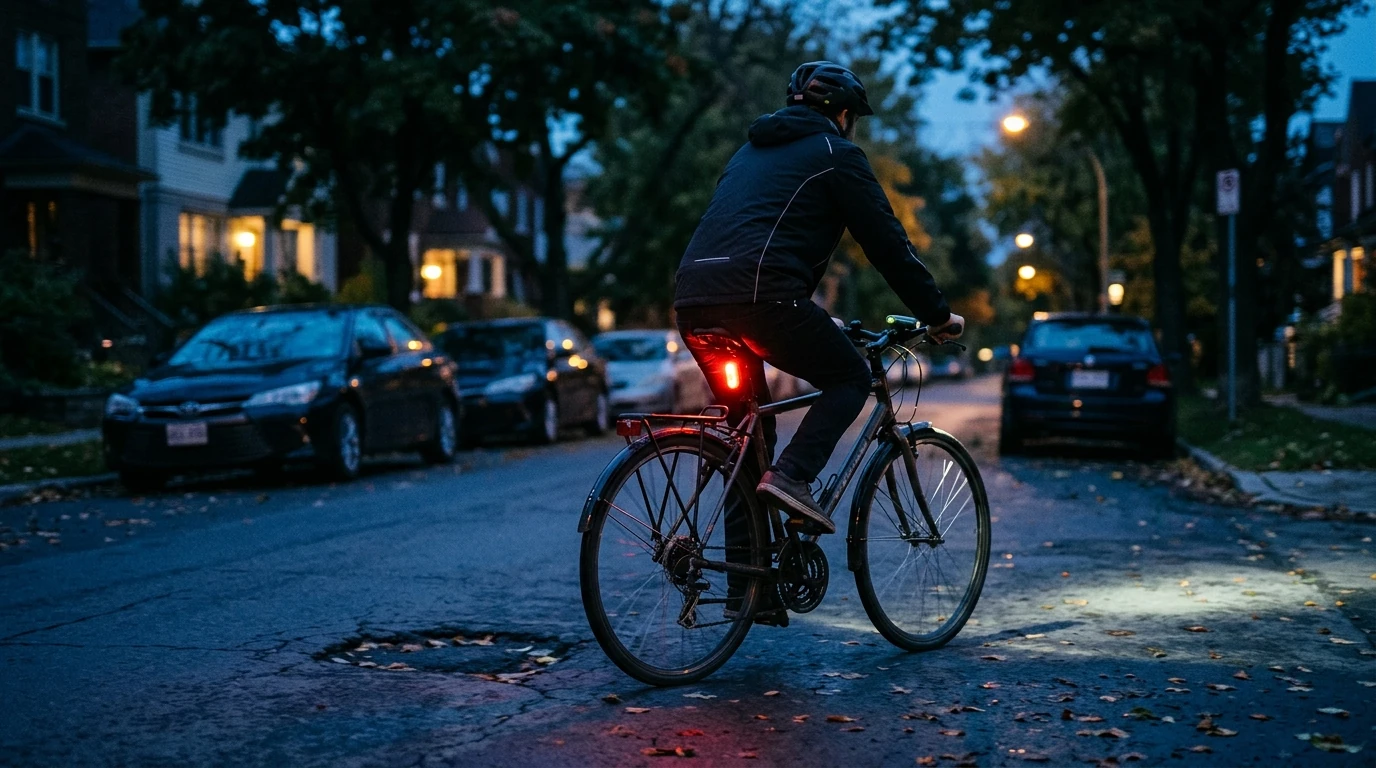
USB Rechargeable Super Bright Bike Headlight & Taillight Set for Safer Night Rides
A dependable headlight and taillight combo helps riders see road hazards sooner and helps drivers notice a bike earlier. This USB rechargeable set is built for everyday commuting and weekend rides, with bright illumination, multiple lighting modes, and quick charging—without the hassle and waste of disposable batteries. For broader bike-safety guidance, the NHTSA bicycle safety page and the CDC bicycle safety resources are helpful references.
What Comes in the Set and Who It Suits
A matched front headlight and rear taillight is a simple upgrade that supports 360° visibility: the headlight improves what you can see ahead, while the taillight improves how easily others can see you from behind. This setup is a strong fit for commuters, casual riders, students, and anyone who rides at dawn, dusk, or after dark.
It’s especially useful on urban streets with mixed lighting, bike paths where visibility changes under trees, and unlit residential roads where driveways and parked cars can appear quickly. Many riders also keep compact bike lights on hand for non-bike use—such as a backup light on a scooter, stroller, backpack, or helmet—where the mount style allows a secure attachment.
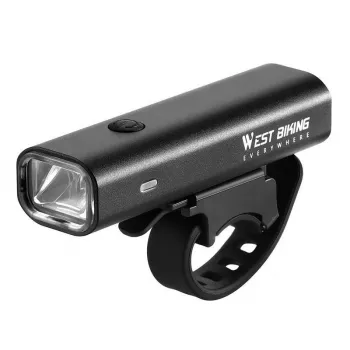
If you’re ready to equip your bike, see the USB Rechargeable Super Bright Bike Headlight & Taillight Set.
Brightness and Beam Coverage: Seeing vs. Being Seen
Front and rear lights do different jobs, and the best results come from treating them as a system.
Front light: forward visibility
The front beam is for reading the road—spotting potholes, debris, curbs, driveway entrances, and uneven pavement earlier so you can steer smoothly instead of reacting at the last second. On darker routes, a steady beam helps your eyes track surface changes and judge distance more reliably.
Rear light: conspicuity
The taillight’s role is to stand out against street lighting, car headlights, and reflective surfaces. A bright, well-aimed rear light helps drivers recognize a cyclist sooner and estimate position more accurately, especially in stop-and-go traffic.
Aim matters
Angle and alignment are as important as brightness. Aim the headlight slightly downward so the hottest part of the beam hits the lane ahead rather than shining into oncoming traffic. That reduces glare for others and keeps your usable light on the pavement where it counts.
Lighting Modes and When to Use Them
Multiple modes let you match output to conditions, conserve runtime, and stay visible when the environment changes. As a habit, bump up to a brighter steady mode on descents, at intersections, and on unfamiliar roads—moments when you need the most reliable road detail.
| Mode type | Best for | Tip |
|---|---|---|
| High steady | Dark roads, fast riding, descents | Aim slightly downward to avoid dazzling others |
| Low steady | Lit streets, group rides | Conserves battery while keeping the lane visible |
| Flash/pulse | Daytime visibility, heavy traffic | Check local regulations on flashing lights |
| Emergency/attention | Roadside stops, mechanical issues | Pair with reflective gear for maximum noticeability |
USB Rechargeable Convenience and Battery Habits
USB charging makes bike lights easier to live with. Instead of buying and storing disposable batteries, you can top up from a power bank, laptop, car charger, or wall adapter—often the difference between riding with lights and realizing they’re dead at the door.
A practical routine is to recharge after wet rides, long commutes, or before any planned night ride. Cold weather can reduce battery performance, so keeping lights charged becomes even more important in winter. If your lights include battery indicators, use them as a pre-ride check to avoid surprise shutoffs mid-commute.
Mounting and Fit: Getting a Stable, Rattle-Free Setup
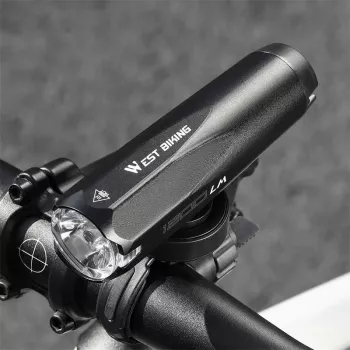
Most front lights mount to the handlebars, and most rear lights mount to the seatpost or seat stays depending on the bracket style. Before installing, wipe the mounting area clean—dust, road film, and moisture can make mounts slip, especially on smooth bars or in rainy conditions.
Position the rear light so it isn’t blocked by saddle bags, bulky jackets, or fenders. After installation, do a quick shake test and then a short ride over small bumps to confirm stability. Even good mounts can shift over time from vibration, so it’s smart to re-check aim periodically—especially after transporting your bike on a car rack or locking it in a crowded area.
Weather Resistance, Durability, and Daily Carry
For rainy commutes, wipe lights down after rides and let charging ports fully dry before plugging them in. Store lights in a dry place, and avoid leaving electronics baking in direct sun inside a car for long periods. If your set is quick-release, remove the lights when locking up the bike to reduce theft risk.
Road-Safety Practices That Make Lights Work Better
If you often ride with a pet nearby on nighttime walks before or after cycling, reflective gear can also help. The No-Pull Reflective Adjustable Dog Harness with Easy Strap-On Design is a visibility-friendly option for dogs in low light.
Quick Comparison: What to Look For in a Headlight & Taillight Pair
Care, Troubleshooting, and Long-Term Use
FAQ
Can flashing bike lights be used at night?
Yes in many places, but rules vary. Flashing can improve attention and conspicuity, while a steady front beam is often better for seeing the road clearly on dark routes.
How high should a bike headlight be aimed?
Aim it slightly downward so the brightest part of the beam lands on the road ahead rather than shining into oncoming traffic. A quick check is to stand a short distance in front of the bike and confirm the beam isn’t hitting at eye level.
Should lights be used during the day?
Daytime running lights can improve visibility in traffic, shaded areas, and changing weather. A flash or pulse mode is commonly used for daytime conspicuity where it’s legal.







Leave a comment