Vintage European Leather Armchair for Modern Lounge Comfort
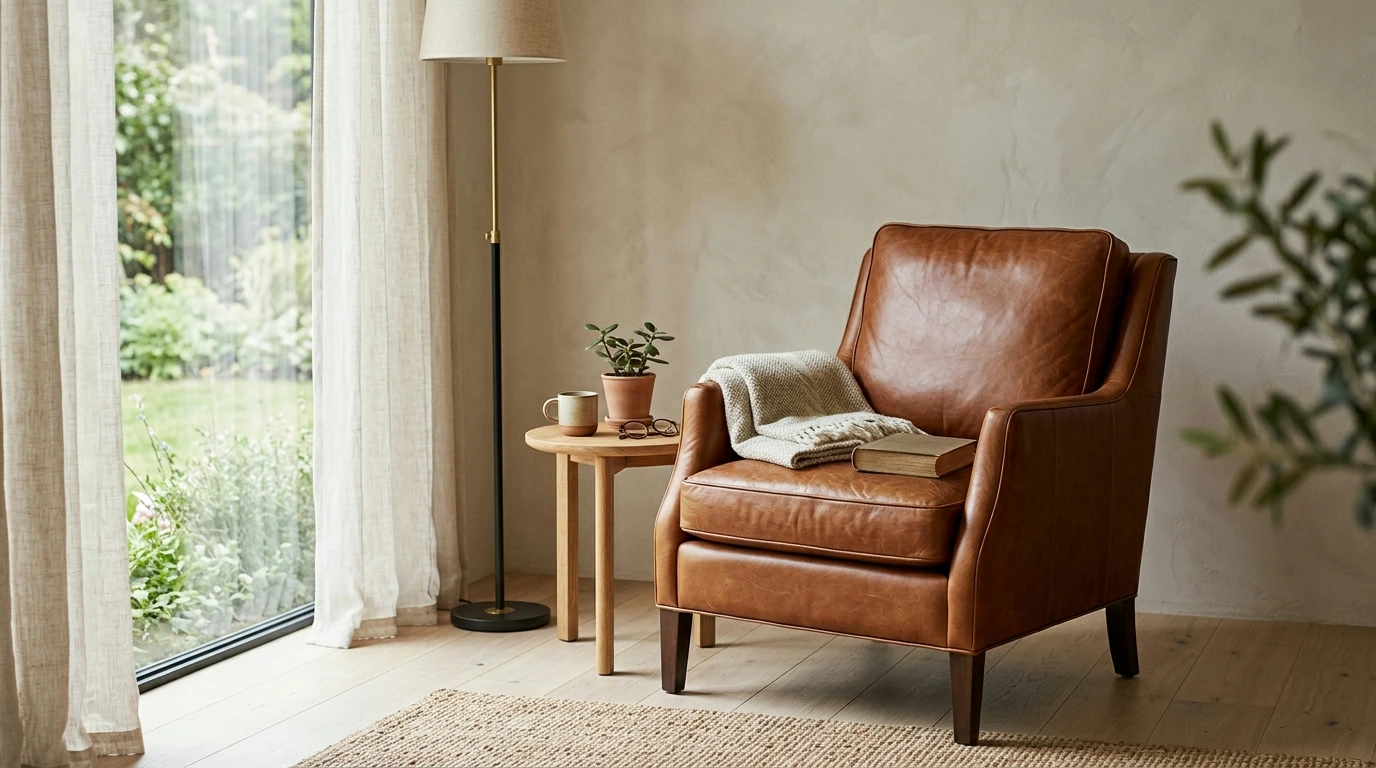
Vintage European Leather Armchair: Old-World Character, Modern Lounge Comfort
A leather armchair that blends vintage European character with modern luxury can anchor a reading corner, elevate a bedroom seating area, or become the standout piece in a living room. The right choice balances comfort, leather quality, supportive structure, and proportions that suit the space—while still feeling like a timeless design statement.
What Makes This Style of Armchair Stand Out
- Vintage European-inspired presence: Classic lines and a tailored silhouette read refined rather than bulky, making the chair feel curated even in a simple room.
- Modern lounge comfort: Built to encourage long sits—think reading, unwinding after work, or slow weekend mornings.
- Leather as the focal material: Natural texture and depth create a richer visual than most fabrics, and the surface can develop a nuanced patina over time.
- Versatile placement: Works as a single statement chair or as part of a coordinated seating arrangement with a sofa, side table, and floor lamp.
Where It Works Best: Living Room vs Bedroom
Living room placement
- Float it near a window with a small side table to form a dedicated reading nook.
- Angle it toward a sofa to create easy conversation flow without blocking walkways.
- Use it to add structure to an open layout—one strong chair can “finish” an empty corner.
Bedroom placement
- Set a lounge chair in a quiet corner for morning routines—coffee, journaling, or getting ready.
- Place it near a dresser or closet as a practical dressing-area seat.
- If room allows, position it near the foot of the bed to add hotel-like polish without relying on a bench.
Balancing scale: The chair should feel intentional—large enough to look luxurious, but not so large that it crowds circulation paths. If your room is compact, keep the surrounding pieces visually light (slimmer side table, airy floor lamp) so the leather stays the hero.
Comfort Details That Matter for Daily Use
- Seat depth and height: Choose proportions that let feet rest naturally while supporting thighs. Deep seats suit lounging; a more standard depth suits upright sitting and frequent get-ups.
- Back support: A supportive back reduces fatigue during longer sits. Consider the feel you want—more upright for reading, more relaxed for decompression.
- Arm height and padding: Arms should support relaxed shoulders. Overly high arms can feel cramped; overly low arms can feel less supportive when settling in with a book.
- Cushioning feel: Look for a balance of softness and resilience so the chair stays comfortable without losing its shape quickly.
Supportive posture matters even when you’re lounging. General ergonomics principles—like keeping the body supported and avoiding sustained strain—can make long sitting sessions more comfortable (see guidance from the Mayo Clinic).
Leather and Craft: How to Judge Quality
- Leather type and finish: Full-grain and top-grain options generally age better than heavily corrected finishes. More protective finishes can be easier to clean—helpful for busy households.
- Stitching and seams: Even stitching, consistent tension, and clean edge finishing are small details that often signal careful construction.
- Frame and joinery: A stable internal frame prevents wobble and helps the chair hold up to everyday use.
- Surface character: Natural variation is often part of the appeal for a vintage-inspired look—subtle shifts in tone and grain can add authenticity rather than looking “imperfect.”
For broader context on leather sourcing and best practices, the Leather Working Group is a widely recognized industry organization, and the American Leather Chemists Association offers resources related to leather chemistry and care.
Sizing and Room Planning Checklist
| Feature to Check | What to Look For | Why It Matters |
|---|---|---|
| Seat comfort | Supportive cushioning with a relaxed feel | Encourages longer, more comfortable use |
| Back and arm support | A back angle that matches how the chair will be used (reading vs lounging) | Improves posture and reduces fatigue |
| Leather quality | A finish that fits lifestyle (patina-friendly vs easier-clean) | Affects aging, maintenance, and long-term appearance |
| Structure and stability | Solid frame feel, no rocking or flexing | Durability and day-to-day confidence |
| Room fit | Measured clearances around the chair | Prevents crowding and keeps the space functional |
Care and Maintenance for a Luxury Leather Chair
Styling Ideas: Vintage Character, Modern Luxury
Product Spotlight
Vintage European Leather Armchair – Modern Luxury Lounge Chair for Living Room & Bedroom is designed to bring classic character and upscale comfort into everyday spaces. It’s best suited for reading corners, bedroom seating, living room accent placement, and design-forward interiors. Before ordering, confirm room measurements and decide whether you want a more upright reading posture or a deeper lounge feel.
More In-Stock Picks to Complete the Home Routine
- Cozy Velvet Winter Pajama Set for Boys for softer, cozier nights at home.
- Premium 8-Piece Barber Cutting & Styling Kit for Real Hair Wigs for at-home touch-ups and grooming essentials.
- No-Pull Reflective Adjustable Dog Harness with Easy Strap-On Design for comfortable, secure daily walks.
FAQ
How is a lounge chair different from a standard armchair?
A lounge chair is typically designed for a more relaxed posture, often with a deeper seat and comfort-first proportions. A standard armchair is more likely to sit upright for short-to-medium sitting, though the exact feel depends on dimensions and cushioning.
How often should a leather armchair be conditioned?
Follow the conditioner’s instructions and consider the leather finish type, since some leathers need less conditioning than others. In most homes, light, occasional conditioning paired with regular dusting is a practical baseline—over-conditioning can be counterproductive.
What is the best placement to prevent leather from fading or drying out?
Keep the chair out of direct sunlight and away from strong heat sources like radiators and vents. Curtains, UV window film, and stable indoor humidity can also help reduce fading and drying over time.







Leave a comment