Double-Headed Combo Cable Lock: Fast, Flexible Security
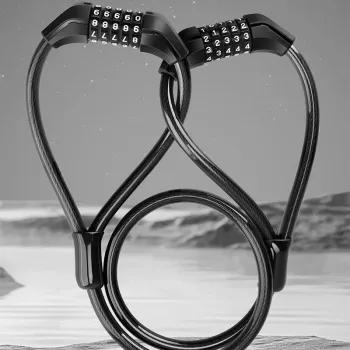
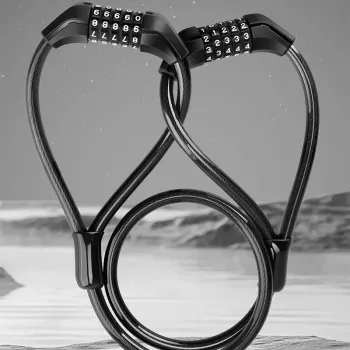
Double-Headed Combination Steel Cable Lock for Bikes and Motorcycles
A dependable lock needs to be fast to use, flexible enough for real-world parking spots, and tough enough to discourage casual theft. A double-headed combination steel cable design is built for quick securement of frames, wheels, helmets, or gear—without relying on a separate key. For everyday rides, errands, and commuting stops, this style of lock offers a practical mix of routing versatility and keyless convenience.
What Makes a Double-Headed Combination Cable Lock Different
Unlike a standard single-loop cable, a double-headed design gives two functional locking ends. That small change makes a big difference when you’re dealing with crowded racks, odd-shaped anchors, or the need to capture multiple items at once.
- Two locking heads create more routing options around frames, wheels, and fixed anchors.
- Combination access avoids key loss and can be especially convenient for shared use.
- Steel cable construction balances cut deterrence with flexibility for awkward lock-up points.
- Versatile fit for bikes, e-bikes, scooters, and motorcycle accessories where a rigid lock won’t fit.
As with any cable lock, it’s best viewed as flexible security: excellent for many daily scenarios, and even better when paired with a stronger primary lock in higher-risk environments.
Best Uses for Bikes, E-Bikes, and Motorcycles
The biggest advantage of a double-headed cable is how quickly it adapts to the way people actually park and store rides. Here are the most common, most effective use cases.
- Bikes: Secure the frame plus a wheel to a rack when a single loop doesn’t capture both.
- E-bikes: Add reach from a rear-wheel lock or frame lock to an immovable object (especially helpful with bulky frames).
- Motorcycles: Lock a helmet to the bike, secure luggage, or attach jacket sleeves to the frame so gear stays with the ride.
- Travel/commuting: Quick stops at cafés, gyms, campuses, and parking garages where speed and simplicity matter.
For broader safety guidance and best practices when riding and parking motorcycles, the National Highway Traffic Safety Administration (NHTSA) is a reliable reference. For bike theft prevention basics (including smart locking habits), BikeIndex offers practical, rider-focused recommendations.
Quick Spec Check: What to Verify Before Buying
A cable lock can look “about right” online and still be frustrating in real use if the length is short, the dials are hard to read, or the coating scuffs easily. A fast pre-purchase checklist helps avoid that.
- Cable length: Long enough to pass through the frame + wheel(s) and still reach an anchor.
- Cable thickness: Thicker cables generally resist hand tools better, but add weight and bulk.
- Lock head design: Smooth operation, solid engagement, and weather resistance for outdoor use.
- Resettable combination: Helpful for shared access or periodic code changes.
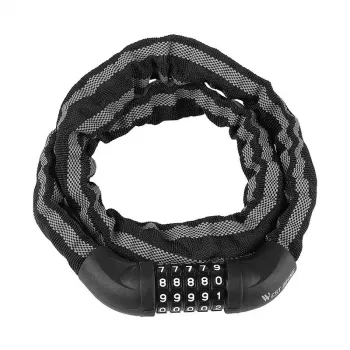
- Coating: A protective sleeve helps prevent scratches and reduces rattling while riding.
Lock Feature Checklist
| Feature | Why it matters | What to look for |
|---|---|---|
| Double-headed ends | More ways to route and secure | Two functional locking points that engage reliably |
| Combination access | No keys to lose or copy | Readable dials and a resettable code mechanism |
| Steel cable + coating | Flexibility with basic cut deterrence | Durable steel cable with a protective outer layer |
| Weather readiness | Outdoor parking and storage | Materials and construction that handle rain and dust |
| Portability | Daily carrying comfort | Reasonable weight and easy wrap/coil storage |
How to Lock Up for Better Security
Even a strong lock can underperform if it’s used in a high-leverage setup. A few small habits make cable locks noticeably harder to defeat with quick, opportunistic methods.
- Choose a solid anchor: Fixed racks, ground anchors, or heavy metal structures that can’t be lifted over.
- Prioritize the frame: Route the cable through the main triangle (or strongest frame section) before wheels or accessories.
- Minimize slack: Keep the cable tight to reduce leverage for cutters and to limit repositioning.
- Elevate the lock if possible: Avoid leaving locking heads resting on the ground where tools get better purchase.
- Layer protection: In higher-risk areas, pair a cable lock with a U-lock or chain as the primary barrier.
If the goal is to protect a bike or motorcycle for longer periods, treat the cable as the “reach and capture” tool while a more rigid lock provides the main resistance.
Combination Setup and Everyday Use Tips
When a Cable Lock Is (and Isn’t) the Right Choice
Product Pick
If you want keyless convenience and more routing options than a standard single-loop cable, the Double-Headed Combination Steel Cable Lock for Bikes and Motorcycles is a practical choice for daily stops, commutes, and accessory security.
More In-Stock Picks (Worth a Look)
- No-Pull Reflective Adjustable Dog Harness with Easy Strap-On Design for safer, more visible walks during early-morning or evening outings.
- Cozy Velvet Winter Pajama Set for Boys as a warm, comfortable option for colder seasons at home or on trips.
- Premium 8-Piece Barber Cutting & Styling Kit for Real Hair Wigs for at-home touch-ups and grooming convenience.
FAQ
Is a combination cable lock secure enough for a motorcycle?
It’s well-suited for helmets, luggage, and quick stops, especially when you can lock to a solid anchor. For overnight parking or high-risk areas, pair it with a hardened chain or U-lock as the primary security.
Can the combination be reset if the code is shared too widely?
Many models include a resettable mechanism; confirm that feature before buying and follow the included reset steps carefully. Choose a non-obvious code and update it whenever access needs change.
How should the cable be routed to reduce the chance of cutting?
Route through the frame first, keep the cable tight to minimize slack, and avoid leaving the locking heads on the ground. Whenever risk is higher, layer security by adding a U-lock or chain to slow down attacks.








Leave a comment