Nike Women’s Shorts Guide: Fit, Fabrics, Best Uses
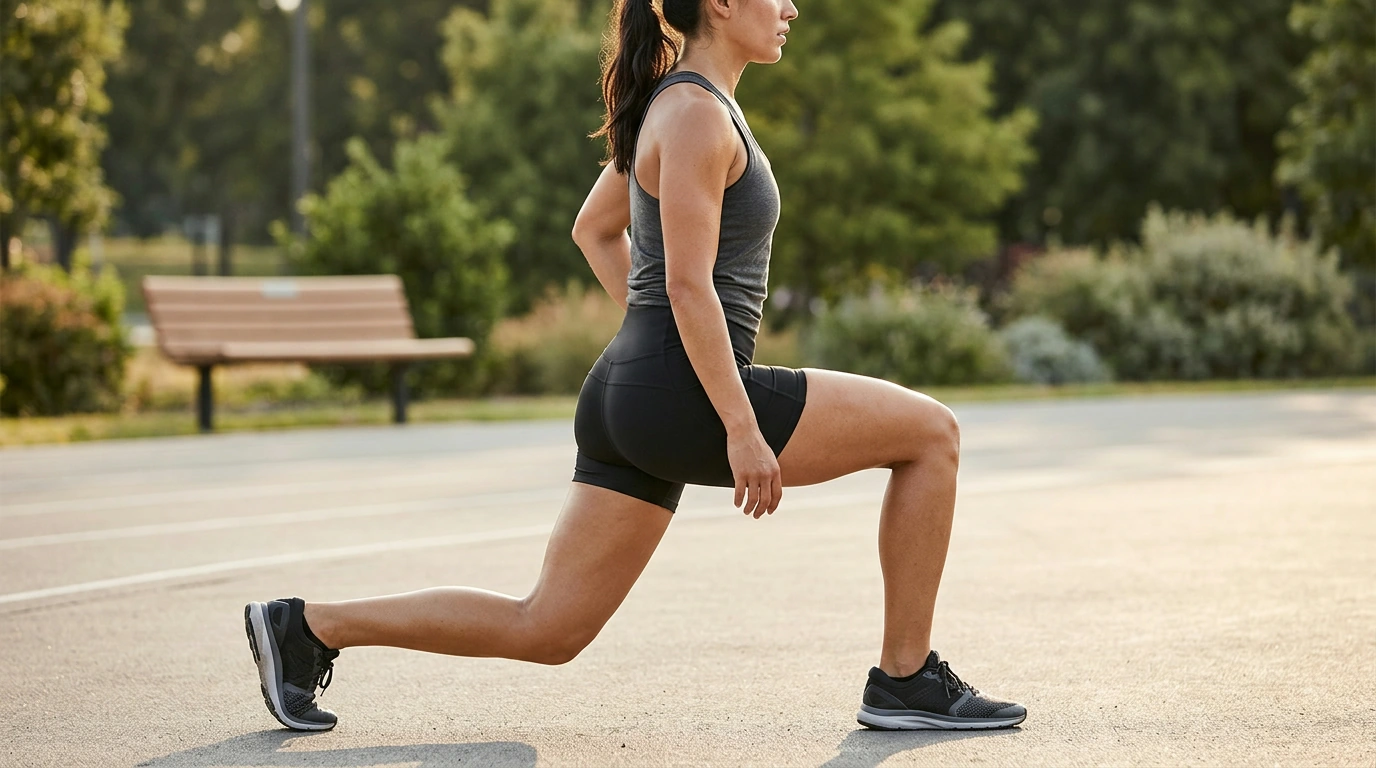
Nike women’s shorts cover a wide range of fits and fabrics—from lightweight running pairs to supportive training silhouettes and casual options for warm-weather days. Choosing the right pair comes down to comfort, coverage, mobility, and how the fabric handles sweat and movement. For more guidance, see Nike Colby C Tempo Performance Shorts for Women – Dark Blue.
What Makes a Great Pair of Women’s Shorts
The best shorts are the ones you stop thinking about once your workout (or your day) starts. A secure waistband, smooth seams, and a cut that moves with you can make the difference between feeling confident and constantly adjusting your fit. For further reading, see SHORTS-BIKE-7″ | Carroll University Pioneer Shop.
- Comfort first: Look for a waistband that stays put without digging in, plus seams that don’t chafe during movement.
- Coverage and confidence: Choose inseam length and rise based on activity and personal preference.
- Mobility: Prioritize fabric stretch and a cut that allows full range of motion (especially for squats, lunges, and sprints).
- Sweat management: Breathable materials and moisture-wicking finishes help reduce cling and overheating.
- Practical details: Pockets, liners, and drawcords can be decisive depending on how the shorts will be used.
Styles and When to Wear Them
Start with your main activity, then choose the silhouette that supports it. A runner’s short that feels perfect on a breezy 5K can feel flimsy in a heavy lifting session, while a compressive bike short can feel too warm for long summer runs.
- Running shorts: Typically lighter with side slits for stride; often include a brief liner and small pocket.
- Training shorts: Slightly more structured with stretch for multidirectional moves; may have a wider waistband.
- Bike shorts: Close-fitting, supportive, and ideal under oversized tees or for gym sessions requiring minimal ride-up.
- Casual/club shorts: Softer feel, relaxed fit, and easy to style with sneakers and a hoodie or tank.
- Hybrid pairs: Performance fabric with lifestyle styling for days that mix errands and workouts.
Quick Guide to Common Women’s Short Types
| Type | Best for | Typical feel | Details to look for |
|---|---|---|---|
| Running | Road, treadmill, intervals | Lightweight, airy | Liner, breathable panels, secure pocket |
| Training | Gym, HIIT, classes | Stretchy, stable | Wide waistband, durable seams, squat-friendly cut |
| Bike | Gym, yoga flow, athleisure | Snug, supportive | Non-slip hem, high-rise option, phone pocket |
| Casual | Everyday wear, travel | Soft, relaxed | Comfort waistband, roomy pockets, easy layering |
Fit, Rise, and Inseam: Getting the Feel Right
Fit is where performance and preference meet. The “right” rise or inseam isn’t universal—it depends on how you move, where you want coverage, and how sensitive you are to waistband pressure.
- Rise choice: High-rise for a secure, held-in feel; mid-rise for balanced comfort; low-rise for a lighter waistband presence.
- Inseam selection: Shorter inseams feel cooler and freer; longer inseams add coverage and can reduce inner-thigh friction.
- Leg opening: A slightly wider opening can improve airflow; a tapered opening can feel more secure during agility work.
- Waistband construction: Look for a smooth, wide band for training, or an adjustable drawcord for running.
- Movement test: Shorts should stay in place during a deep squat and a few high-knee steps without constant readjustment.
For additional sizing help, the Nike Size Guide is a useful reference point—especially if you’re between sizes or switching between tighter and looser styles.
Fabric and Performance Details That Matter
Two shorts can look similar on a hanger but feel completely different once you start sweating. Fabric weight, stretch, and finishing details often decide whether shorts feel sleek and supportive or sticky and restrictive.
- Breathability: Mesh panels or lighter weaves can help in hot weather and high-output sessions.
- Moisture-wicking: Helps manage sweat and improves comfort during longer workouts.
- Stretch and recovery: Fabric should stretch with movement and return to shape without sagging.
- Liners: Built-in briefs can add coverage and reduce friction; liner-free pairs are easier for layering over compression.
- Seams and finish: Flat or bonded seams can reduce chafing; smooth hems help avoid irritation.
One Pick for a Clean, Versatile Look
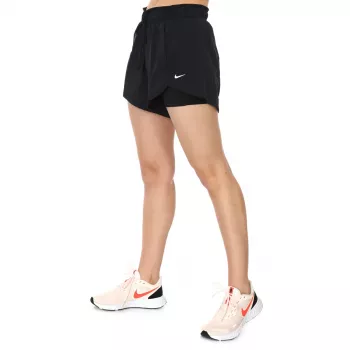
If you want a single pair that can move across workouts and everyday outfits, it’s hard to beat a simple black short. Black pairs well with almost everything, hides minor scuffs, and transitions easily from gym to errands without feeling “too sporty” or “too casual.”
In stock: Nike Women’s Black Shorts ($26.02).
More In-Stock Finds
- Premium 8-Piece Barber Cutting & Styling Kit for Real Hair Wigs ($26.67)
- No-Pull Reflective Adjustable Dog Harness with Easy Strap-On Design ($23.51)
Care Tips to Keep Shorts Looking and Feeling New
FAQ
What inseam length is best for women’s Nike shorts?
Shorter inseams tend to feel cooler and less restrictive for running or hot-weather training, while longer inseams add coverage and often help reduce inner-thigh friction. The best choice is the one that stays comfortable through your full range of movement.
Are Nike women’s shorts good for high-intensity training?
Yes—many pairs are designed with supportive waistbands, stretchy fabrics, and sweat-managing finishes that work well for HIIT and gym sessions. Look for squat-friendly coverage, a secure fit that won’t roll down, and smooth seams to help reduce chafing.
How should women’s Nike shorts fit at the waist and hips?
The waistband should feel secure without pinching, and you shouldn’t see gaping at the back when you bend or hinge. At the hips, aim for a fit that allows lunges and squats without pulling or riding up, then do a quick movement test to confirm they stay in place.









Leave a comment