5-Piece Silicone Baby Feeding Set: Suction Dishes + Cup
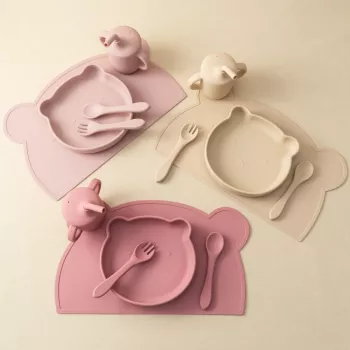
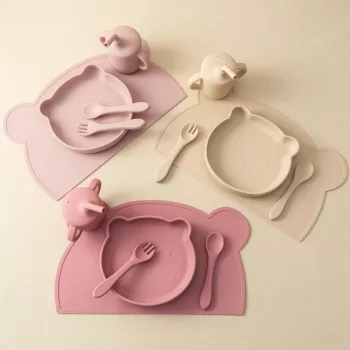
5-Piece Silicone Baby Feeding Set with Suction Dishes & Sippy Cup: A Practical Mealtime Starter Kit
A well-chosen feeding set can reduce spills, support early self-feeding, and simplify cleanup. This 5-piece silicone set pairs suction dishes with a sippy cup to help keep food and drinks where they belong while building everyday mealtime routines. It’s designed for the early “learning curve” stage—when bowls get pushed, cups get tipped, and little hands are still figuring out grip, scooping, and sipping.
What’s Included in the 5-Piece Set
This set bundles the pieces many families reach for daily, so you can start (or reset) mealtimes with a coordinated setup instead of mismatched items. The suction dishes are built to stay put on smooth, clean surfaces, and the sippy cup supports practicing independent drinking with less mess. Each piece is made from soft-touch silicone intended for baby-safe handling and easier day-to-day use.
| Piece | Purpose | What to Look For During Use |
|---|---|---|
| Suction dish (1) | Helps prevent tipping and sliding | Press firmly on a clean, dry, flat surface; check seal before serving |
| Suction dish (2) | Creates a stable spot for meals/snacks | Avoid textured tables; re-seat suction after moving the dish |
| Sippy cup | Supports transitioning from bottle to cup | Confirm lid fit and flow for baby’s stage |
| Feeding accessory | Complements meals and self-feeding practice | Choose options that feel comfortable in small hands |
| Feeding accessory | Rounds out daily feeding setup | Inspect for wear and clean thoroughly after use |
Why Silicone Works Well for Early Feeding
Silicone is a popular choice for first feeding tools because it’s gentle on gums and emerging teeth compared with harder plastics. The flexible, slightly grippy feel can be easier for babies to steady (and easier for parents to handle with wet hands), while also reducing the loud clatter that can make mealtimes feel more chaotic. For many families, silicone is also convenient for quick rinse-and-wipe cleanup right after meals—especially when sticky foods or purees are in the rotation.
For broader guidance on feeding stages and early nutrition, see the CDC’s Infant and Toddler Nutrition resources and the American Academy of Pediatrics guidance on starting solid foods.
Suction Dishes: Getting a Strong Hold (and Fewer Flips)
Suction can be a game-changer, but it’s picky about surfaces. For the best hold, use smooth, non-porous surfaces such as glass, sealed wood, and many plastics. Heavily textured tables and some high chair trays can let air in under the base, making it easier for a dish to pop free.
- Wipe the table/tray and the suction base dry before placing the dish.
- Press down at the center, then test by gently lifting at the edge to confirm the seal.
- If you need to reposition the dish, lift to release, then re-seat the suction rather than sliding it around.
- For thicker foods or enthusiastic scooping, offer smaller portions and refill. Less weight and leverage can mean fewer “bowl launches.”
Sippy Cup Use: Smooth Transition to Independent Drinking
A sippy cup is often a bridge between bottles and open cups. Start with water during meals so practice feels low-stakes and routine-based. Pay attention to flow rate: too fast can cause coughing and spills, while too slow can frustrate a motivated sipper.
- Keep early practice short, then gradually increase the time as comfort improves.
- Confirm the lid fit and any seals before handing it over—especially when leaving the house.
- If the cup has multiple parts, re-check alignment after washing to prevent surprise leaks.
Safety and Material Considerations to Confirm Before Daily Use
Daily feeding tools work hard, so quick checks help keep routines smooth. Always follow the manufacturer’s care instructions for washing and heat exposure. Inspect silicone pieces regularly for tears, deep bite marks, or warping that may affect performance or hygiene.
- Avoid using damaged pieces; replace individual items when wear appears.
- If any components detach (such as inserts or valves), keep them out of reach when not assembled.
For general information on materials used with food, review the FDA overview of food contact substances.
Cleaning, Stain Control, and Odor Prevention
Silicone is often easy to maintain, but the timing and method matter. A quick rinse soon after use helps prevent food oils and pigments from setting. Wash thoroughly with mild soap, focusing on seams, lids, and any inserts where residue can hide.
Daily Routine Tips for Less Mess and More Independence
Who This Set Fits Best
Product Details and Where to Get It
The 5-Piece Silicone Baby Feeding Set with Suction Dishes & Sippy Cup is available now for $35.51 (USD). It’s a single bundle intended to cover common early-feeding needs with coordinated pieces.
| Item | Price | Availability |
|---|---|---|
| 5-Piece Silicone Baby Feeding Set with Suction Dishes & Sippy Cup | 35.51 USD | In stock |
More In-Stock Picks
- Cozy Velvet Winter Pajama Set for Boys
- Premium 8-Piece Barber Cutting & Styling Kit for Real Hair Wigs
FAQ
Why won’t the suction dish stick to the table or high chair tray?
Suction works best on smooth, clean, dry, non-textured surfaces. Wipe both the tray/table and the suction base, press firmly in the center to create a seal, and avoid porous or heavily textured surfaces that let air under the base.
How often should silicone feeding items be replaced?
Replace items when you see tears, deep bite marks, warping, or a change in fit for lids and parts. Also consider replacement if persistent odor remains even after thorough cleaning and complete drying.
What’s the best way to clean the sippy cup to prevent lingering smells?
Disassemble all parts, wash thoroughly (especially seams, lids, and any inserts), rinse well, and air-dry completely before reassembling. Trapped moisture and leftover milk or juice residue are common causes of lingering odors.









Leave a comment