Ceramic 12.5 oz Soap & Lotion Dispenser for Tidy Sinks
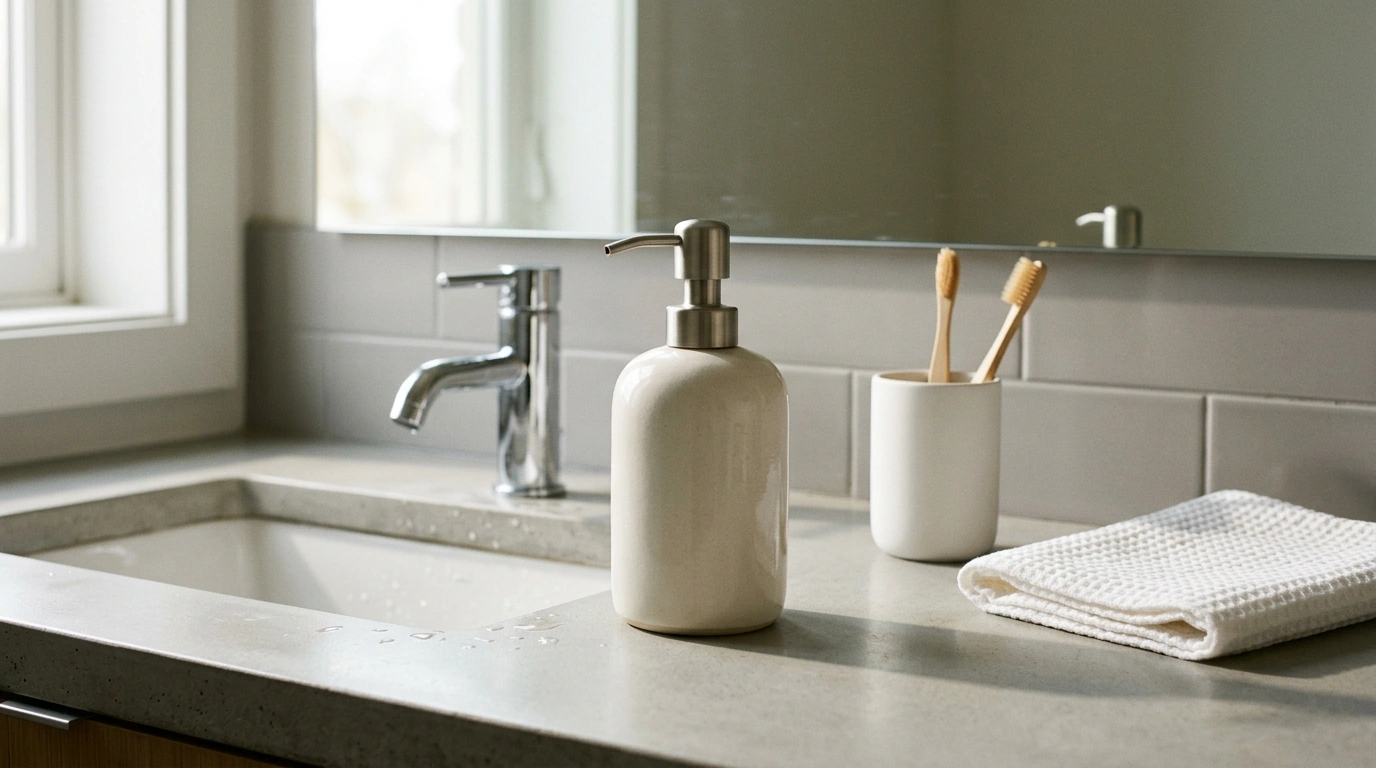
Ceramic 12.5 oz Hand Soap & Lotion Dispenser
A ceramic dispenser adds a cleaner, more finished look to sinks while keeping hand soap or lotion easy to use. With a 12.5 oz capacity, it suits daily handwashing routines without constant refills and fits naturally into bathroom or kitchen décor. If you’re trying to cut down on mismatched plastic bottles around the faucet, a single refillable vessel can make the whole counter feel more intentional—without changing fixtures or doing a remodel.
What Makes a Ceramic Dispenser a Practical Upgrade
A countertop dispenser is one of those small swaps that pays off every day. Ceramic, in particular, combines durability with a “made to be here” look that blends into the room instead of looking like a temporary bottle from the grocery store.
- Keeps soap or lotion contained in a single, reusable container to reduce visual clutter around the sink.
- Ceramic body feels substantial on the counter and helps resist tipping during pumping.
- Pairs well with common bathroom and kitchen finishes (chrome, brushed nickel, matte black) depending on pump style.
- Works for multiple liquids: hand soap, dish soap, lotion, or sanitizer gels designed for pump bottles.
For households that prioritize hygiene, consistent access to soap matters. The CDC outlines best practices for effective handwashing, including using soap and water for key moments throughout the day (CDC — When and How to Wash Your Hands).
Capacity and Daily Use: 12.5 oz in Real Life
Capacity is where a dispenser either becomes a joy or a nuisance. At 12.5 oz, this size typically lands in the “refill occasionally” category without crowding the sink. It’s a practical middle ground: roomy enough for frequent handwashing, yet compact enough to sit neatly beside a faucet and toothbrush holder.
- 12.5 oz capacity balances convenience and footprint: fewer refills than small bottles without taking over the sink area.
- Suitable for shared bathrooms, guest baths, and kitchens where handwashing happens frequently.
- A larger reservoir can help keep consistency in scent and formula by refilling less often (especially for diluted soaps).
- Tip for households: keep one for hand soap and a second for lotion near the towel area to streamline routines.
Quick Capacity Guide
| Household/Use Case | How 12.5 oz Typically Feels | Refill Rhythm (Varies by Use) |
|---|---|---|
| Guest bathroom | Looks tidy and intentional | Occasional top-offs |
| Kitchen hand soap | Convenient without being bulky | Moderate refills |
| Family bathroom | Helps reduce bottle pile-up | More frequent but manageable |
| Lotion at vanity | Roomy enough for daily moisturizing | Occasional refills |
Placement Ideas That Keep Counters Looking Clear
Where the dispenser sits can determine whether it stays clean and easy to use. A good rule: put it where your hand naturally goes after turning off the tap, but not where it gets constantly splashed.
- Kitchen sink: place on the side opposite the dish rack to reduce splashes and keep the pump cleaner.
- Bathroom vanity: position between faucet and toothbrush holder, leaving space for hand drying.
- Laundry room: use for stain pre-treat solutions or hand soap where a full bottle is inconvenient.
- Entryway console (if appropriate): pair with a small catchall tray for hand sanitizer gel or lotion.
Filling Without Mess and Keeping the Pump Working Smoothly
Most dispenser “issues” come from overfilling, using the wrong formula for the pump, or letting residue accumulate at the nozzle. A few habits keep everything moving smoothly.
- Use a small funnel when refilling to prevent residue on the exterior glaze and around the neck.
- Avoid overfilling; leave a little headspace so the pump can be inserted without overflow.
- If using thick lotion, prime the pump with several presses; for very thick formulas, consider slightly thinning only if the product allows it.
- For foaming soap: only works if the pump is designed for foaming (standard lotion/soap pumps do not aerate).
Cleaning and Care for Ceramic and Hardware
Ceramic is low-maintenance, but it looks best with quick, regular wipe-downs—especially near the base where water can collect. Pump care matters too, since dried product is the most common cause of sputtering.
For general consumer information about soap and how it’s categorized, the FDA provides a helpful overview (FDA — Soap (Consumer Information)).
Material Comparison: Ceramic vs. Plastic vs. Glass
Pros and Cons by Material
| Material | Strengths | Tradeoffs |
|---|---|---|
| Ceramic | Heavier, polished look, resists many stains | Can chip if dropped; refill level not visible |
| Plastic | Budget-friendly, lightweight, shatter-resistant | Can discolor/scratch; looks less premium |
| Glass | Modern look, visible fill level, easy to rinse clean | Breakable; can slide if base isn’t grippy |
Choosing Soap and Lotion That Dispense Well
Product Details and Where It Fits Best
The Ceramic 12.5 oz Hand Soap & Lotion Dispenser is designed for countertop use with a generous reservoir that supports daily routines. It’s especially useful for anyone who prefers refilling from bulk bottles to reduce packaging and keep the sink area consistent.
More In-Stock Finds
- No-Pull Reflective Adjustable Dog Harness with Easy Strap-On Design
- Premium 8-Piece Barber Cutting & Styling Kit for Real Hair Wigs
FAQ
Can this dispenser be used for both hand soap and lotion?
Yes—standard liquid hand soap and most pumpable lotions work well. Very thick lotions may dispense slowly and can require extra priming.
How do you clean a ceramic soap dispenser and prevent pump clogging?
Wipe the ceramic exterior with a soft cloth and rinse the pump/nozzle with warm water when residue builds up. If clogging occurs, flush the pump with warm water before refilling.
Will it work with foaming soap?
Only if it has a foaming pump mechanism. Standard pumps dispense liquid soap or lotion without creating foam.









Leave a comment