Cute Cartoon Animal Non-Slip Toilet Mat for Safer Floors
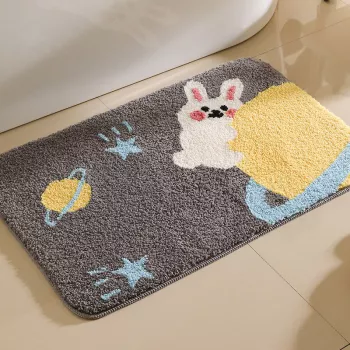
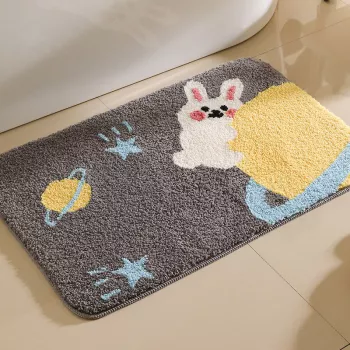
Cartoon Animal Non-Slip Toilet & Bathroom Floor Mat
A small mat placed at the toilet or sink can make the bathroom safer, quieter, and more comfortable underfoot. This cartoon animal design adds a playful touch while focusing on grip, quick drying, and everyday practicality for busy households. For many homes, it’s an easy upgrade that helps reduce slippery moments in one of the most frequently used rooms.
Bathroom slip risks are widely recognized, especially around wet tile. For general safety guidance, see resources from the CDC and NIOSH.
What This Mat Is Designed to Do
- Provide a stable, non-slip surface in wet-prone areas near the toilet, vanity, or tub edge.
- Add a soft landing for bare feet, especially on cold tile floors.
- Help catch drips and splashes to keep surrounding flooring drier.
- Bring a kid-friendly look that can make routine bathroom time feel less sterile.
In day-to-day use, the biggest difference often comes from placement: putting a mat exactly where water tends to land (and where feet tend to step) helps turn “almost slips” into confident footing.
Where It Works Best in the Bathroom
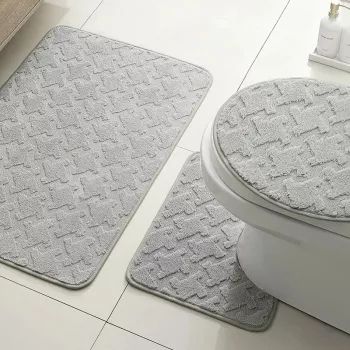
- Toilet area: placed in front of the toilet to reduce slip risk from small splashes.
- Sink/vanity: placed where toothbrushing and handwashing drips often land.
- Kids’ bathroom or shared family bath: adds comfort and a visual cue for where to stand.
- Guest bath: a quick way to add warmth and personality without changing decor.
In smaller bathrooms, a single well-placed mat can do double duty—catching water near the vanity while softening the cold floor when someone steps out of the shower.
Non-Slip Performance and Floor Compatibility
- Most effective when the floor beneath is clean and dry before placement.
- Works best on smooth, sealed surfaces (tile, vinyl, sealed wood, laminate); performance can vary on textured stone or grout-heavy floors.
- Avoid stacking on top of another mat, which can reduce stability.
- If curling occurs after shipping, flattening it with light weight for a short period can improve contact with the floor.
A simple habit that helps: after cleaning the bathroom, let the floor fully dry, then set the mat down and press along the edges and center. That extra contact is what helps a non-slip backing do its job.
Comfort, Absorbency, and Drying Behavior
- A cushioned feel improves comfort during longer routines like grooming or hair styling.
- Absorbent fibers help capture small water droplets and reduce tracking moisture across the room.
- Fast-drying behavior is important in humid bathrooms; spacing the mat so air can circulate helps it dry more evenly.
- For households with frequent showers, rotating two mats can reduce lingering dampness.
If the bathroom stays humid, faster drying can matter as much as absorbency. Ventilation (fan on, door slightly ajar) often makes a noticeable difference in how fresh a mat feels from day to day.
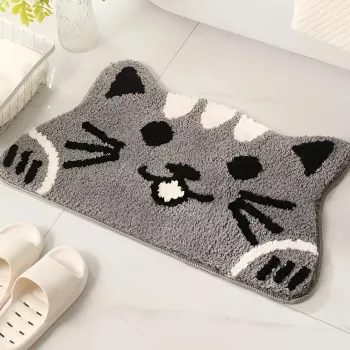
Cartoon Animal Style: Practical Décor for Families
- Playful character styling can make a children’s bathroom feel more welcoming.
- Pairs well with simple towels and neutral walls to avoid visual clutter.
- Can be used as a “bathroom station” marker for kids learning hygiene routines.
- A fun option for apartments and dorm-style bathrooms where permanent upgrades aren’t possible.
For a cleaner look, let the mat be the “character” in the room and keep surrounding textiles (hand towels, bath towels, shower curtain) in solid colors pulled from the mat’s palette.
Sizing and Placement Tips (So the Mat Doesn’t Become a Trip Hazard)
Cleaning and Care for Bathroom Mats
At-a-Glance Checklist Before Buying
| Feature | Why it matters | What to look for |
|---|---|---|
| Non-slip backing | Reduces sliding on wet floors | Stays put after smoothing it down; no shifting with normal stepping |
| Surface feel | Comfort and daily usability | Soft underfoot; not scratchy; edges lie flat |
| Absorbency | Helps control small splashes | Fibers that capture droplets rather than letting water bead and spread |
| Drying time | Prevents lingering dampness and odors | Dries between uses with ventilation; consider rotating mats in high-use bathrooms |
| Fit in space | Avoids bunching and tripping | Doesn’t interfere with door swing or toilet base; covers the main standing zone |
Product Snapshot
- Name: Cartoon Animal Non-Slip Toilet & Bathroom Floor Mat
- Typical use: toilet area, sink/vanity standing zone, kids’ bathroom accent
- In-stock status: available
- Price point: positioned as an affordable comfort-and-safety upgrade for bathrooms
- Premium 8-Piece Barber Cutting & Styling Kit for Real Hair Wigs (helpful for at-home grooming sessions where you’ll appreciate softer footing at the sink)
- Cozy Velvet Winter Pajama Set for Boys (a warm post-bath option for colder seasons)
FAQ
Can a non-slip bathroom mat be used on textured tile or grout-heavy floors?
It can, but non-slip performance may vary because the backing may not fully contact uneven surfaces. For best results, clean and dry the floor, press the mat flat, and monitor for any movement—especially on highly textured tile or wide grout lines.
How often should a toilet-area mat be cleaned?
Shake it out or vacuum regularly and spot-clean right away when needed. Plan for a deeper wash on a routine schedule based on traffic, and always let it dry fully before placing it back on the floor.
What’s the safest placement for a mat in front of the toilet?
Position it where feet naturally step and stand, keep all edges flat, and avoid placing it over thresholds or uneven transitions. Make sure the bathroom door can open and close without catching the mat’s edge.







Leave a comment