Montessori Garden Music Set: Calm Play for Ages 6–36m
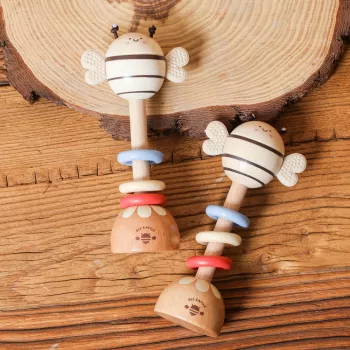
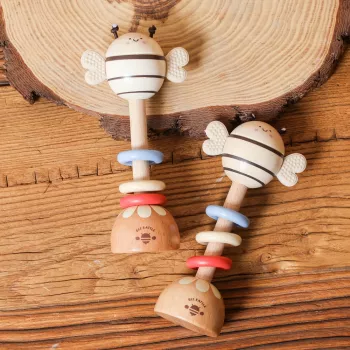
Montessori Wooden Garden Music Set for Babies and Toddlers
Outdoor-inspired musical play can turn everyday moments into rich sensory experiences. A wooden, garden-themed music set invites babies and toddlers to explore sound through gentle tapping, shaking, and listening—while also supporting early coordination and independent play habits. With a calm, nature-forward theme, it’s easy to weave into a Montessori-style routine: choose an instrument, try a motion, notice what happens, and repeat with small variations. For more guidance, see Musical Instruments For Kids Instruments Toy Music Set WYNNON ….
For families building a simple music corner at home, the Montessori Wooden Garden Music Set for Babies and Toddlers offers a screen-free way to practice early rhythm and focus. For general guidance on selecting safer toys for young children, the American Academy of Pediatrics provides a helpful overview here: How to Choose Safe Toys.
What This Music Set Is Designed to Encourage
- Hands-on exploration of sound: loud/soft, fast/slow, and simple cause-and-effect through easy actions like tapping and shaking.
- Fine-motor practice: grasping, transferring from hand to hand, and controlled striking movements.
- Early listening skills: noticing differences in pitch, rhythm, and resonance (how long a sound “rings”).
- Independent play cycles: choose an instrument, try a motion, observe the sound, repeat with variations.
- Calming sensory input: predictable, gentle rhythms can feel organizing—especially during quiet play windows.
These skills align well with widely used early-childhood principles emphasizing developmentally appropriate, hands-on learning (see NAEYC’s guidance: Developmentally Appropriate Practice).
Garden-Themed Musical Play Ideas (Simple, Montessori-Friendly)
The most effective activities stay short, repeatable, and easy to reset. A few simple games can turn the set into a daily ritual—without requiring a big “music lesson.”
- “Sound walk”: place pieces around a play mat and invite your child to move from one sound to the next.
- “Echo game”: tap a short rhythm; your toddler repeats using one instrument.
- “Loud/soft”: demonstrate a whisper-quiet tap vs. a stronger tap, then let your child experiment.
- “Stop and listen”: tap once and pause together to notice how long the sound lasts.
- “Sort and choose”: offer two instruments at a time to reduce overwhelm, then rotate.
If your child is working on early communication, pairing these games with simple labels (“tap,” “shake,” “again,” “pause,” “quiet”) helps connect actions to words.
Age Guide: How Play Changes from Baby to Toddler
Musical play looks different as your child grows. Babies tend to enjoy single sounds and brief experiments; toddlers gradually move toward patterns, turn-taking, and pretend-play performances. For a helpful reference on broad developmental progression, the CDC’s milestone resources can provide context: Important Milestones.
- Younger babies: focus on safe grasping, brief supervised shaking/tapping, and listening to single sounds.
- Older babies: practice intentional tapping, transferring instruments hand-to-hand, and watching an adult model.
- Young toddlers: try basic rhythms, take turns, and name contrasts (high/low, loud/soft).
- Older toddlers: build simple sequences (tap-tap-pause), match rhythms, and create “songs” during pretend play.
- Keep sessions short: end on a positive note and stop when you see signs of fatigue or overstimulation.
Quick Activity Match by Age
| Age range | Best activities | Adult role |
|---|---|---|
| 6–12 months | Single taps, gentle shaking, listening pauses | Model once, supervise closely, keep volume low |
| 12–24 months | Repeat a simple rhythm, turn-taking, loud/soft play | Offer two choices, name contrasts, keep routine |
| 24–36 months | Pattern building, matching beats, pretend-play “garden concert” | Add language, encourage longer sequences, guide sharing |
Safety and Materials Checklist for Musical Toys
- Check for smooth edges and sturdy construction, with child-appropriate finishes.
- Choose safer sizing: pieces should be sized to reduce choking risk; supervise babies and early toddlers closely.
- Watch volume and intensity: repeated high-volume sounds can be overstimulating, especially in small rooms.
- Inspect regularly: look for cracks, loose parts, or peeling finishes—especially after drops.
- Store consistently: a predictable “home” for each instrument supports tidiness and reduces damage.
How to Set Up a Simple Music Shelf at Home
A small, orderly setup often leads to longer, calmer engagement than a big bin of noisy items. A Montessori-style music shelf can be as simple as a tray and a routine.
When This Set Makes a Great Gift
- First birthday gifts that support hands-on discovery without screens.
- Playroom staples for families building a rotating shelf of open-ended materials.
- Daycare or nanny-share settings that benefit from calm, repeatable activities.
- Outdoor-themed nurseries or nature-inspired play corners.
- Easy bundling: pair with a cozy home item like the Cozy Velvet Winter Pajama Set for Boys for a comfort-and-play gift set.
Product Snapshot
At-a-Glance Details
| Item | Details |
|---|---|
| Product | Montessori Wooden Garden Music Set for Babies and Toddlers |
| Price | 10.51 USD |
| Availability | In stock |
| Where to buy | Fancia |
FAQ
What age is a wooden music set appropriate for?
Many families introduce wooden instruments around 6 months with close supervision, then continue through toddlerhood as play shifts from simple taps to rhythms and turn-taking. Babies tend to explore single sounds and grasping, while toddlers start copying beats, naming contrasts, and creating simple patterns.
How can musical toys be used without getting too loud?
Use a rug or soft mat, model gentle tapping, and keep sessions short—especially indoors. Rotating only a few instruments at a time and practicing a “pause-and-listen” routine helps keep volume and stimulation manageable.
How often should wooden instruments be checked or cleaned?
Do a quick inspection regularly (and after drops) for cracks, loose parts, or peeling finishes. For cleaning, wipe with a slightly damp cloth, avoid soaking, and let everything dry fully before returning it to storage.









Leave a comment