USB Heating Belt with Hand Pockets: Portable Cramp Relief
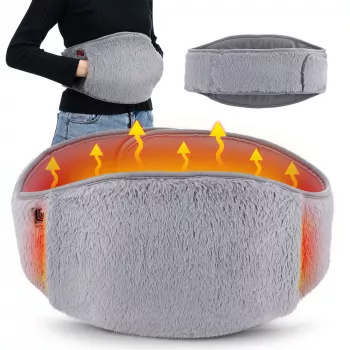
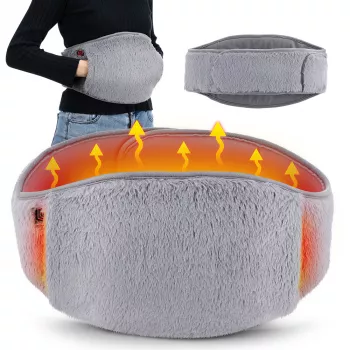
USB Heating Belt with Hand Pockets for Menstrual & Body Pain Relief: Comfort at Home, Work, or Travel
Warmth can ease cramps, soothe sore muscles, and help the body relax—especially when it’s easy to use anywhere. A USB-powered heating belt with hand pockets combines targeted heat for the abdomen or lower back with a cozy place to rest cold hands, making it a practical option for periods, everyday aches, and chilly days.
What a USB heating belt is designed to do
A USB heating belt is built for simple, localized heat therapy—without needing a microwave or a bulky plug-in pad. Wrapped around the waist, it warms common discomfort zones like the lower abdomen and lower back, where cold and tension can make cramps or stiffness feel worse.
- Delivers localized heat to the lower abdomen and lower back (lumbar area)
- Encourages relaxation by loosening tight muscles and reducing that “cold” feeling that can intensify discomfort
- Hand pockets add comfort during use—especially in cool offices, dorms, or while commuting
- USB power makes it easy to run from a power bank, laptop, or USB wall adapter (accessories vary)
When it can help most
Heat therapy is a go-to comfort tool because it’s straightforward: warm the area, relax the muscles, and make rest easier. While it’s not a cure for underlying conditions, many people find it helpful for day-to-day relief.
- Menstrual cramps: gentle heat can improve comfort and help the body unclench during cramps.
- Lower back soreness: warmth may soothe stiff muscles after long sitting, driving, or standing.
- General body aches: useful for mild, non-injury discomfort (use only where the belt fits safely and comfortably).
- Cold sensitivity: warming the core often improves overall comfort during work, study, or downtime.
For background on menstrual cramps and when to seek care, see guidance from ACOG and Mayo Clinic.
Key features to look for (and why they matter)
Not all heating belts feel the same in real life. The best experience usually comes down to fit, fabric comfort, and reliable power delivery.
- Adjustable fit: a secure wrap helps keep heat centered where it’s needed—without constant readjustment when you stand up or sit down.
- Comfortable lining: soft fabric helps reduce skin irritation during longer sessions.
- Hand pockets: doubles as a mini hand warmer while the belt heats the core—great for cold offices and winter commutes.
- Stable USB connection: reduces intermittent heating caused by loose cables or low-quality adapters.
- Simple controls: easy on/off and heat settings are especially valuable when you’re tired, crampy, or trying to keep focus at work.
Quick spec checklist for this USB heating belt
- Intended use: abdominal/lower-back warming for menstrual and everyday body discomfort
- Power: USB (pair with a power bank for portability)
- Comfort add-on: built-in hand pockets for warmth and relaxation
- Everyday practicality: lightweight and easy to pack for work, school, or travel
At-a-glance comparison: belt use scenarios and setup
| Use case | Where to place it | Suggested power option | Comfort tip |
|---|---|---|---|
| Menstrual cramps | Lower abdomen | Power bank in a pocket/bag | Use over a thin layer of clothing and keep hands in pockets |
| Lower back soreness | Lower back (lumbar area) | USB wall adapter at home/office | Sit with back support; avoid slouching to keep placement steady |
| Cold hands + chills | Front (core warming) | Laptop/desktop USB port | Warm the core first; then rotate to hands in pockets |
| Travel comfort | Abdomen or back | Power bank (10,000 mAh+ recommended) | Set a timer and take breaks to prevent overheating |
How to use it comfortably and safely
Heat should feel soothing—not intense. A few small habits make heat therapy more comfortable and reduce the risk of skin irritation. For general heating pad safety considerations, the Cleveland Clinic offers helpful guidelines.
- Start on the lowest heat setting for 5–10 minutes, then adjust as needed.
- If you have sensitive skin, place a thin fabric layer between skin and the belt.
- Limit sessions to about 15–30 minutes, taking breaks to check skin temperature and comfort.
- Avoid use on broken/irritated skin, areas with reduced sensation, or while sleeping.
- Stop if it feels too hot, causes redness, or triggers discomfort.
- Consult a clinician if pregnant, managing diabetes/neuropathy, or if pain is severe or persistent.
Power and portability tips
USB power is what makes this style of heating belt so convenient, but steady heat depends on a stable power source and good cable management.
- Use a quality USB power bank for consistent heat during commutes, class, or working away from an outlet.
- If using a wall adapter, choose a reputable brand and avoid damaged cables or loose ports.
- Route the cable to avoid snagging; keep the power bank in a pocket, pouch, or bag side sleeve.
- For shared spaces, keep settings simple—heat therapy works best when you can relax without fussing with controls.
Care and maintenance
Comfort products last longer when the fabric stays clean and the wiring stays protected. Always check the manufacturer’s care label first.
Who it’s best for—and when to consider other options
Product picks for cozy, on-the-go comfort
- USB Electric Heating Belt with Hand Pockets for Menstrual & Body Pain Relief ($22.51)
- Cozy Velvet Winter Pajama Set for Boys ($123.01)
FAQ
Can a heating belt help with menstrual cramps?
For many people, localized heat can relax muscles and improve comfort during cramps. Results vary, and severe or persistent symptoms should be discussed with a clinician.
What can power a USB heating belt?
Common options include a USB power bank, a laptop/desktop USB port, or a USB wall adapter. For stable heating, use a reliable power source and an undamaged cable.
How long should it be used at a time?
Many people start with 15–30 minute sessions and take breaks to check skin comfort. Avoid sleeping with it on, and stop immediately if it overheats or causes redness.






Leave a comment