Rotatable HD Bike Handlebar Mirror for Safer Rides
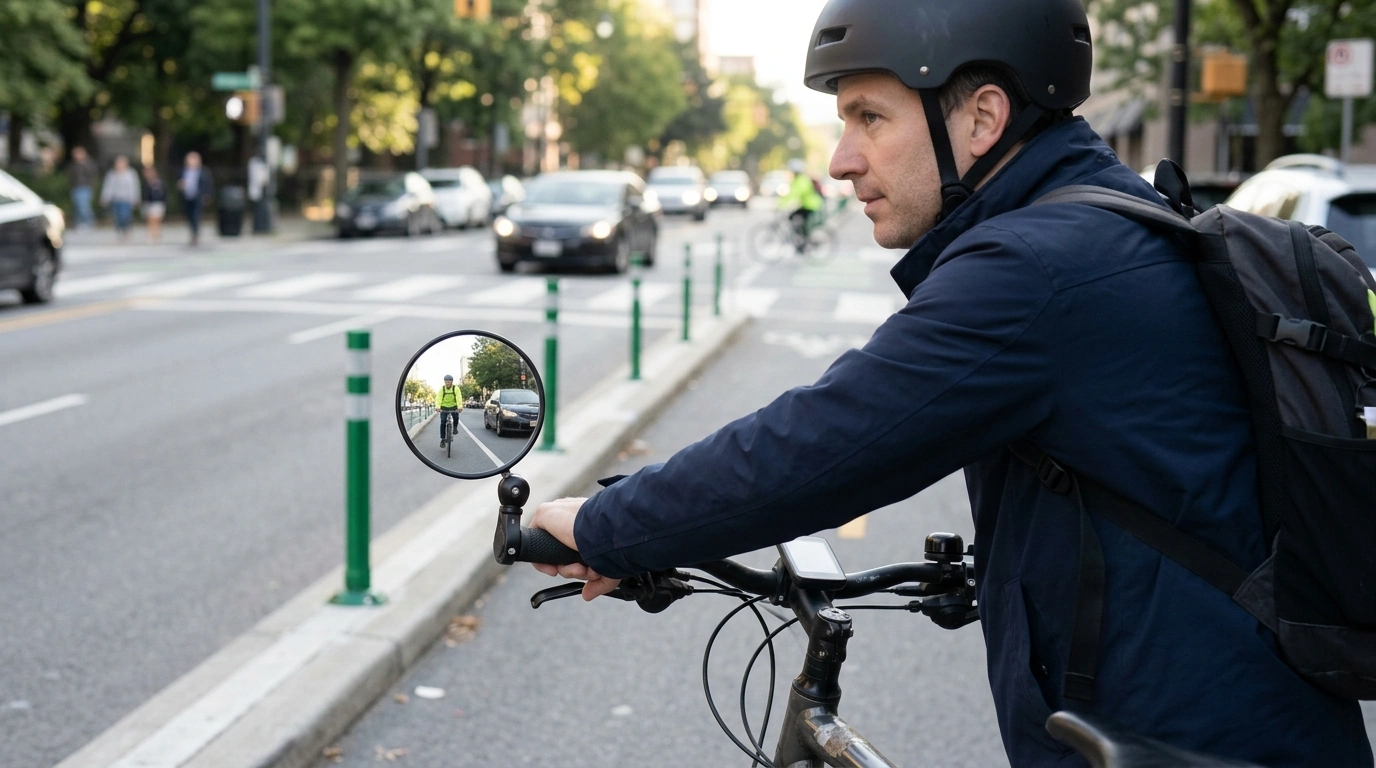
360° Rotatable HD Bike Handlebar Rear View Mirror: Clear Views and Confident Riding
A dependable rear view mirror helps riders track approaching traffic and other cyclists without constantly turning around. A rotatable, high-definition handlebar mirror is designed to widen rear visibility, reduce surprises, and make everyday commuting, fitness rides, and casual cruising feel more controlled.
Why a handlebar rear view mirror matters on real rides
Most close calls on a bike don’t start with a crash—they start with uncertainty. A quick, stable view behind you can make routine moments (passing parked cars, merging around debris, or rolling through a busy intersection) feel far less stressful.
- Reduces the need for frequent shoulder checks, especially in heavy traffic or on shared paths
- Helps maintain a steadier line by limiting sudden head turns that can drift the bike
- Improves awareness when merging, overtaking, or navigating intersections and driveways
- Useful for group rides to monitor riders behind and anticipate changes in pace
- Supports confidence for new riders learning lane positioning and signaling
For broader riding safety guidance, review resources from NHTSA’s bicyclist safety page and the League of American Bicyclists tips for riding predictably and visibly.
What makes a rotatable HD mirror different
A basic mirror can help, but comfort and usefulness come from how easily it can be dialed in and how readable the image stays on imperfect pavement. Rotatable, HD-style mirrors focus on flexibility and clarity—two things that matter when your posture changes and the road vibrates.
- 360° rotation allows quick angle changes for different riding positions (upright cruising vs. tucked commuting)
- HD-style mirror surface focuses on clarity so vehicles and riders behind are easier to recognize
- Adjustability helps dial in the view to minimize blind spots created by elbows, bags, or wide shoulders
- A stable mount is key to keeping the image readable on rough pavement and curb cuts
- Wide viewing angles can help spot faster-approaching traffic earlier than narrow mirrors
On real roads, the best mirror is the one that stays pointed where you set it, remains readable over bumps, and lets you confirm what’s behind you without breaking your rhythm.
Product spotlight: 360° Rotatable HD Bike Handlebar Rear View Mirror
If you want rear visibility that’s always within a quick glance, the 360° Rotatable HD Bike Handlebar Rear View Mirror is designed to mount on the handlebar and provide a clearer look behind than low-clarity reflective inserts. The rotatable design makes it easier to fine-tune for different bikes and rider postures, whether you ride upright on a cruiser or lean forward on a commuter.
- Designed for handlebar mounting to keep rear visibility within a quick glance
- Rotatable design helps fine-tune the viewing angle for different bikes and rider postures
- Clear mirror surface intended to improve detail compared with low-clarity reflective inserts
- Compact add-on that can complement lights, bells, and other cockpit accessories
- Best results come from careful positioning: aim slightly outward to capture more lane space behind
Quick product details
| Item | Details |
|---|---|
| Product | 360° Rotatable HD Bike Handlebar Rear View Mirror |
| Price | 29.97 USD |
| Availability | In stock |
| Best for | Commuting, leisure rides, path riding, road awareness |
| Mount location | Handlebar |
Setup and positioning for the clearest rear view
Even a high-clarity mirror can feel “wrong” if it’s aimed like a car mirror. A bike mirror works best when it captures the lane space you actually need, not a perfect view of what’s directly behind your tire.
- Start with the bike on level ground; sit in the normal riding position before final tightening
- Angle the mirror so the horizon is near the top edge; this usually captures more useful roadway behind
- If elbows block the view, rotate the mirror slightly outward rather than aiming straight back
- Tighten mounts evenly and re-check after the first 1–2 rides as components settle
- Test visibility in different hand positions (tops, grips, or bar ends) to confirm the view stays usable
A simple final check: in your normal riding posture, you should be able to glance and quickly answer, “Is anything approaching fast, and how much space is behind me?” If that’s hard to judge, rotate outward a few degrees and re-check.
Using a rear view mirror effectively in traffic and on trails
A mirror is most helpful when it becomes part of a consistent scan pattern—brief checks that support steady, predictable riding. The goal isn’t to stare behind you; it’s to reduce uncertainty before you change position or speed.
For riders who bike with a pet during neighborhood cruising or rest stops, visibility gear can help in low-light conditions. A reflective option like the No-Pull Reflective Adjustable Dog Harness with Easy Strap-On Design can make a dog easier to spot near driveways and crossings when you’re walking the bike.
Care and maintenance for long-term clarity
FAQ
Will a handlebar rear view mirror fit most bikes?
Many handlebar mirrors fit a wide range of bikes, but compatibility depends on handlebar diameter and available space near grips, brake levers, or shifters. Measure your bar and confirm the mounting style will work with your cockpit layout before buying.
Is a rear view mirror enough, or are shoulder checks still needed?
A mirror improves continuous awareness and reduces how often you need to turn your head, but shoulder checks are still important before turning, merging, or changing lane position. Use the mirror for monitoring and a shoulder check for confirming it’s clear to move.
How do you stop a bike mirror from shaking and blurring the image?
Tighten the mount securely, reduce leverage by positioning the mirror closer to the bar when possible, and make sure it isn’t fighting other accessories for space. After a ride or two, re-check tightness and alignment as parts settle.









Leave a comment