Soft Pet Toothbrush Set: Gentle Brushing for Dogs & Cats
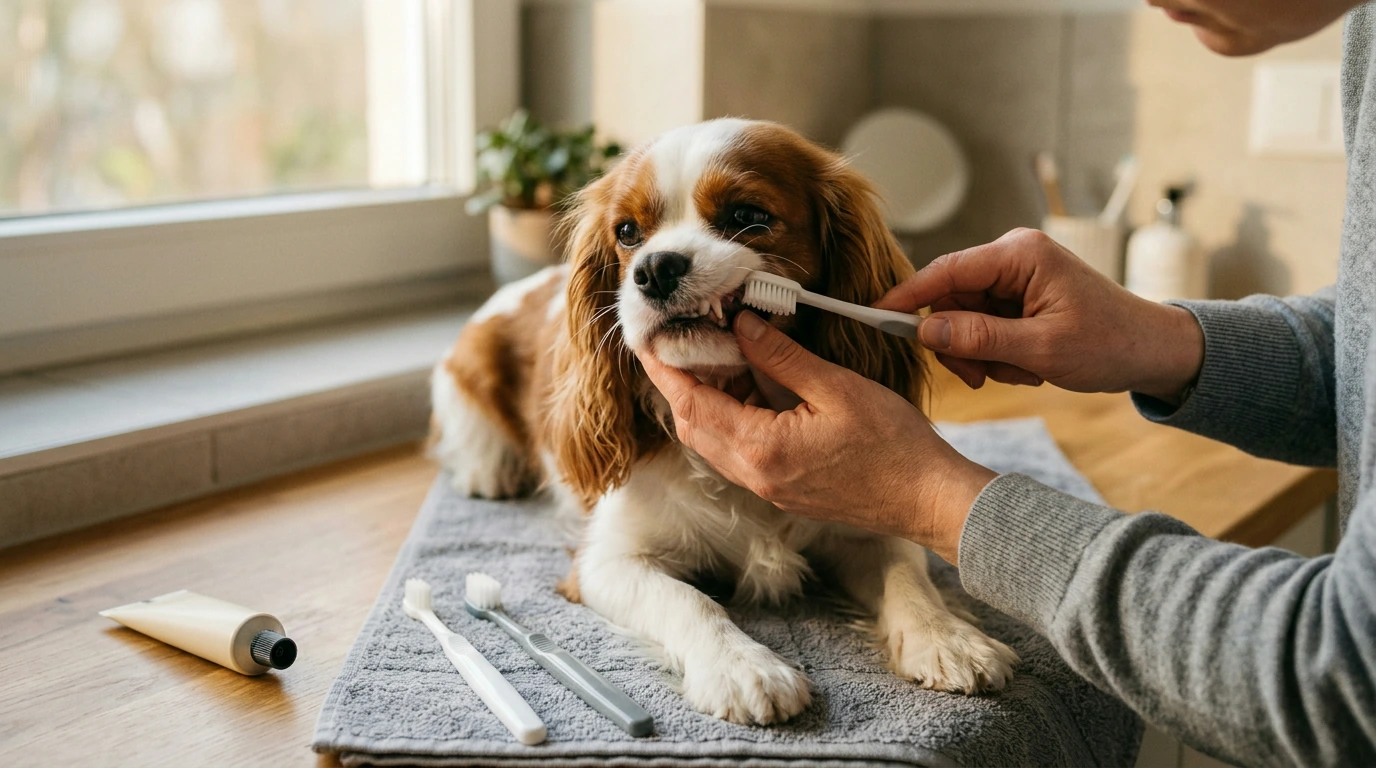
Soft Dog & Cat Toothbrush Set: A Gentle Routine for Cleaner Teeth and Fresher Breath
Daily brushing can make a noticeable difference in pet breath and tartar buildup, but the brush has to be comfortable and easy to control. A soft toothbrush set made for pets is especially helpful when you’re working with a small mouth, tender gums, or a dog or cat that’s skeptical of anything “new.” With the right tools and a calm, repeatable routine, brushing can become a quick habit that supports healthier teeth and fresher breath over time.
What’s Included and Who It Suits
A soft-bristle pet toothbrush set is designed for gentle gum contact and everyday use. The main goal is simple: remove plaque consistently without making brushing feel uncomfortable (or turning it into a wrestling match).
- Soft-bristle pet toothbrushes intended for gentle gum contact and everyday use
- Suitable for dogs and cats, especially pets that resist firmer brushes
- Helpful for puppies, kittens, seniors, and pets with mild gum sensitivity
- Pairs best with pet-safe toothpaste (never use human toothpaste)
For general dental guidance beyond home brushing, reputable veterinary resources like AVMA Pet Dental Care and the American Veterinary Dental College (AVDC) home care resources offer practical, vet-reviewed recommendations.
Why Soft Bristles Matter for Pets
Many pets don’t hate tooth brushing—they hate how tooth brushing feels. Soft bristles can change the entire experience by keeping contact gentle while still sweeping away plaque at the gumline.
- Reduces the chance of gum irritation that can happen with stiff bristles or aggressive scrubbing
- Encourages longer brushing tolerance, which improves plaque removal over time
- Supports gradual training for pets that are new to tooth brushing
- Better comfort can help maintain a consistent routine, which is more effective than occasional deep cleaning
Consistency is where brushing pays off. A gentle brush helps you keep sessions calm, which often matters more than trying to “get every tooth” in one stressful attempt.
How to Brush a Dog or Cat’s Teeth (Quick, Low-Stress Method)
Keep the process short, predictable, and rewarding. The goal is cooperation—not perfection—especially during the first few weeks.
- Start with 10–20 seconds: let the pet lick pet toothpaste from a finger, then introduce the brush
- Angle bristles toward the gumline and use small circular motions on the outer surfaces
- Focus on back teeth (molars) where tartar tends to build fastest
- Keep sessions short; end before the pet gets frustrated and reward immediately
- Aim for daily brushing; even 3–4 times per week can help when done consistently
Simple Brushing Schedule for New Pets
| Week | Goal | Time per session | Tip |
|---|---|---|---|
| 1 | Comfort with handling lips and mouth | 10–30 sec | Reward after each touch |
| 2 | Introduce toothpaste + brief brushing | 30–60 sec | Brush only front teeth at first |
| 3 | Brush most outer surfaces | 1–2 min | Add back teeth gradually |
| 4+ | Maintain routine | 2 min | Daily is ideal; keep it calm and predictable |
Safety and Hygiene Tips
Safe products and clean tools matter because pets swallow toothpaste and often chew at the brush during training.
- Use only pet toothpaste; human toothpaste may contain xylitol or fluoride that can be harmful if swallowed
- Replace the toothbrush when bristles fray, after illness, or about every 3 months with regular use
- Rinse thoroughly after each session and allow to air dry to reduce bacterial growth
- Stop and consult a veterinarian if gums bleed heavily, breath suddenly worsens, or the pet shows pain when chewing
- Dental chews and water additives can complement brushing, but brushing remains the most direct plaque control
If your pet has heavy tartar, very inflamed gums, or persistent bad breath, a vet dental exam can help determine whether a professional cleaning is needed before home brushing becomes comfortable.
Common Mistakes That Make Brushing Harder
Small tweaks can make brushing feel easier almost immediately—especially for pets that are cautious or mouth-sensitive.
- Brushing too forcefully: gentle pressure is enough when done regularly
- Trying to brush the inside surfaces first: the outer surfaces matter most and are easier to reach
- Skipping rewards: treats and praise help turn brushing into a predictable routine
- Switching tools too often: stick with one brush style long enough for the pet to adapt
- Expecting instant results: fresher breath may come quickly, but tartar reduction takes time and consistency
Product Spotlight: Soft Dog & Cat Toothbrush Set
If you’re building a practical at-home dental routine, the Soft Dog & Cat Toothbrush Set is a simple option designed to be gentle on gums while supporting daily plaque removal. It’s a budget-friendly add-on for households that want a consistent brushing habit without harsh bristles—especially helpful for pets that pull away when brushes feel too stiff.
For dogs that get wiggly during grooming tasks, a stable walking setup can also reduce stress before and after care routines. The No-Pull Reflective Adjustable Dog Harness with Easy Strap-On Design can help keep outings controlled, which may make it easier to return home and transition into calm handling (like tooth brushing).
FAQ
How often should dogs and cats have their teeth brushed?
Daily is ideal, but brushing at least 3–4 times per week can still help when it’s done consistently. Short, regular sessions usually work better than occasional long sessions.
Can a dog and a cat share the same toothbrush?
Avoid sharing to reduce cross-contamination. Use separate brushes for each pet, and replace a brush after illness or when bristles start to fray.
What if my pet won’t let a toothbrush near their mouth?
Start with very short sessions and introduce pet toothpaste first, then brief lip and gum touches, followed by rewards. Increase time gradually; if your pet seems painful or extremely resistant, consult a veterinarian to rule out dental discomfort.












Leave a comment