Checkered Kitchen Cloths: Absorbent Reusable Wipe Towels
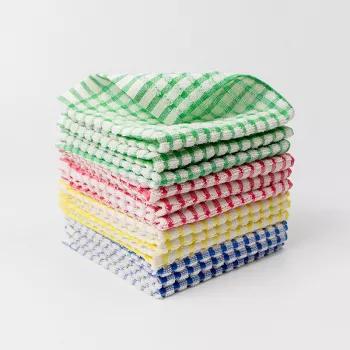
Premium Checkered Kitchen Cleaning Cloths: Absorbent, Reusable Towels for Everyday Messes
From quick countertop wipe-downs to drying dishes and polishing glass, reusable cleaning cloths can simplify daily kitchen routines while cutting down on disposable waste. These premium checkered kitchen cleaning cloths are designed to be highly absorbent, easy to rinse, and dependable for repeat use across common household tasks. Keep a small rotation within reach and everyday cleanup tends to feel faster, neater, and more consistent—especially during busy cooking weeks.
What Makes These Checkered Cloths Kitchen-Ready
- Checkered weave for better wiping control: The textured, checkered pattern supports grip and helps lift everyday residue instead of just pushing it around.
- Absorbent towel performance: Suitable for spill pickup, dish drying, and damp wiping, so you can switch tasks without switching tools constantly.
- Reusable by design: Built for repeated wash-and-use cycles—rinse, wring, wipe, and repeat as needed.
- Versatile size and feel: Works across prep areas, sinks, appliance fronts, and dining surfaces without feeling bulky.
- Simple pattern that supports task separation: A checkered look makes it easier to assign cloths by job (for example, one stack for counters and another for dishes).
Best Uses Around the Kitchen
- Countertops and islands: Damp-wipe crumbs, coffee drips, and light splatter after meals; rinse and wring mid-clean to keep the wipe clean.
- Stovetops and appliance fronts: Remove fingerprints and light grease, then follow with a clean, slightly damp cloth to reduce streaking.
- Sink and faucet: Quick rinse, wring, and wipe after dishwashing to help reduce water spots around the basin and faucet base.
- Dish drying: Blot and dry dishes, cutting boards, and utensils to reduce reliance on paper towels.
- Table cleanup: Handle small spills immediately, then launder so the cloth is ready for next time.
- Glass and stainless touch-ups: Use a clean cloth that’s lightly dampened, then finish with a dry cloth for a clearer, less hazy finish.
Quick Guide: Which Cloth for Which Task
A simple cloth routine helps prevent streaks and reduces cross-contamination. Keep at least two “zones” of cloths—one set for food-contact areas and another set for floors, pet bowls, and trash areas. For greasy residue, start with warm water and a small amount of dish soap, then rinse thoroughly before a final wipe. For polishing, grab a freshly washed cloth that’s only slightly damp, then finish with a dry cloth.
| Task | Cloth setup | Tip for best results |
|---|---|---|
| Wipe counters after prep | 1 damp cloth | Rinse and wring often so crumbs and residue don’t redeposit. |
| Clean greasy stovetop splatter | 1 soapy damp cloth + 1 clean damp cloth | Do a second pass with clean water to prevent streaking. |
| Dry dishes and glassware | 1 dry cloth | Blot first for pooled water, then dry with long strokes. |
| Polish stainless appliances | 1 lightly damp cloth + 1 dry cloth | Wipe with the grain when visible for a smoother finish. |
| Quick spill pickup | 1 absorbent dry cloth | Press to absorb first, then damp-wipe the remaining film. |
| Sink and faucet shine | 1 damp cloth | Finish by wiping faucets dry to reduce water spots. |
Cleaning and Care for Longer Cloth Life
- Rinse right away after messy jobs: A quick rinse after grease, sauces, or dairy helps reduce buildup and lingering odors.
- Wash regularly: Daily or every couple of days works well for active kitchens; more often if you’re cooking heavily or wiping up spills frequently.
- Skip fabric softener when possible: Softeners can leave residues that reduce absorbency over time.
- Dry thoroughly before storing: Air-dry or tumble dry on a gentle setting per the care label; fully dry cloths are less likely to smell musty.
- Retire and repurpose: Once a cloth becomes heavily stained or worn, move it to non-food tasks like garage cleanup or outdoor furniture.
Reusable Cloths vs. Disposable Paper Towels
Safety Notes for Food-Contact Surfaces
- Separate cloths for higher-risk messes: Use dedicated cloths for raw meat juices and discard or launder immediately after use.
- Disinfect correctly when needed: Follow label directions for any disinfectant, including contact time and surface compatibility. The EPA maintains information on disinfectant products and usage guidance here: Selected EPA-Registered Disinfectants.
- Rinse and launder after disinfectants: Proper rinsing and washing helps prevent residues from transferring to other surfaces later.
- Reduce cross-contamination: Consider color-coding or clearly separating stacks for counters, sinks, and floors. For additional food-safety basics, review guidance on cross-contamination from the USDA: Kitchen Safety and Cross-Contamination. General cleaning and disinfecting practices are also outlined by the CDC: Cleaning and Disinfecting.
Product Spotlight: Premium Checkered Kitchen Cleaning Cloths
If you want one dependable cloth style to cover most daily kitchen tasks, Premium Checkered Kitchen Cleaning Cloths – Absorbent & Reusable Towels are made for absorbent spill pickup and repeat use. The checkered texture supports routine wiping, drying, and polishing, and keeping multiple cloths in rotation helps ensure a clean one is always available for food-prep surfaces.
More In-Stock Finds (Internal Links)
- Premium Checkered Kitchen Cleaning Cloths – Absorbent & Reusable Towels
- Premium 8-Piece Barber Cutting & Styling Kit for Real Hair Wigs
- No-Pull Reflective Adjustable Dog Harness with Easy Strap-On Design
FAQ
How often should reusable kitchen cleaning cloths be washed?
For frequent kitchen use, wash daily or every 1–2 days. Wash immediately after wiping raw meat juices, greasy messes, or strong odors, and let cloths dry fully between uses.
Do fabric softeners reduce absorbency in cleaning cloths?
Often yes—softeners can leave residues that make towels feel smoother but absorb less. If absorbency drops, rewash without softener and follow the care instructions for a deeper clean if needed.
What’s the best way to avoid spreading germs with reusable cloths?
Use separate cloths for different zones, change cloths often, rinse thoroughly during use, and launder regularly. When disinfecting, follow product directions for dilution and contact time so surfaces are treated effectively.









Leave a comment