Classic 1.5″ Men’s Genuine Leather Belt (Retro Style)
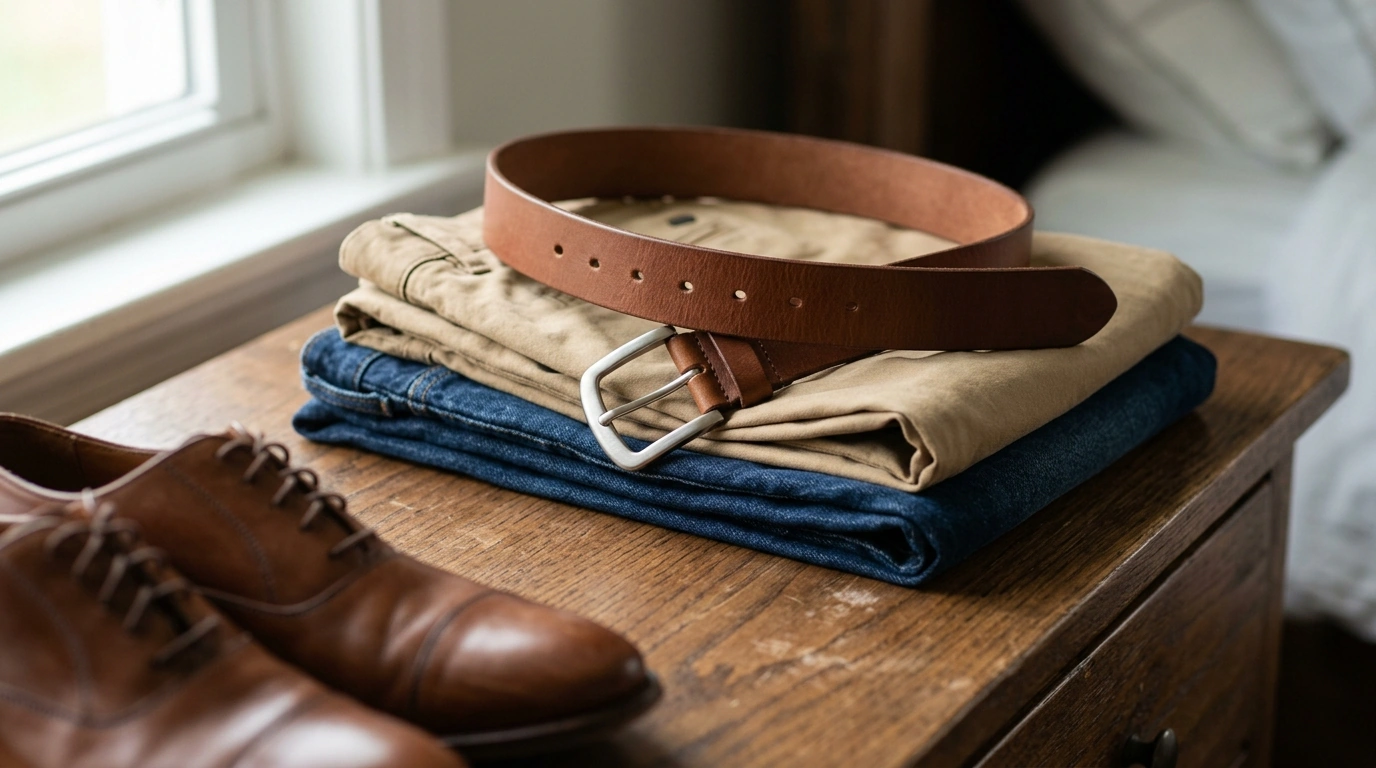
Men’s Genuine Leather Belt – Classic 1.5 Inch Retro Business & Casual Strap
A dependable leather belt does more than hold up trousers—it sets the tone for the outfit. This classic 1.5 inch genuine leather strap is sized for everyday belt loops and styled to move easily between business attire and relaxed weekend looks, with a retro finish that pairs well with denim, chinos, and dress pants. For more guidance, see Burberry Classic Beige Leather Belt K6.
What Makes a 1.5 Inch Leather Belt a Daily Staple
A 1.5 inch belt sits in the sweet spot: substantial enough to look intentional with jeans, but still clean and proportional with most business-casual trousers. It’s the width many men reach for when they want one belt that can handle most of the week without overthinking the outfit. For further reading, see Men’s-belt-buying advice requested – Bogleheads.org.
- Balanced width: 1.5 inches fits most jeans and casual-to-business belt loops without looking too slim or too bulky.
- Versatile styling: Works with denim, chinos, and many dress-casual trousers for office, travel, and weekends.
- Genuine leather feel: A natural material that typically breaks in over time for a more personalized fit.
- Retro character: A classic look that complements boots, loafers, and sneakers depending on the outfit.
If you’re aiming for a belt that looks “finished” even when the rest of the outfit is simple, a genuine leather strap with a traditional profile tends to deliver that quiet structure.
Material and Construction Details to Look For
Two belts can look similar on a product page and wear very differently over months of use. A few build details often separate a belt that ages well from one that loses its shape early.
- Leather quality: Genuine leather offers a natural grain and flexibility that can improve with wear as it molds to your routine.
- Edge finishing: Clean, sealed edges can help reduce fraying and keep the strap looking neat along the sides.
- Buckle attachment: Secure fastening (screws or strong stitching) helps the buckle stay aligned and stable over time.
- Hole spacing and reinforcement: Evenly spaced holes support incremental fit adjustments and reduce stress on one “favorite” hole.
For long-term looks, leather care matters, too. Straightforward guidance on cleaning and conditioning can be found from reputable resources like Liberty Leather Goods and Wirecutter’s overview of how to care for leather.
Sizing and Fit: Getting the Right Length
A belt should look centered and feel secure—no struggling to reach the last hole, and no extra-long tail flapping past multiple belt loops. The most reliable method is to measure a belt you already like.
- Measure a current belt: Measure from the buckle’s base (where the buckle meets the strap) to the most-used hole for a dependable baseline.
- Target the middle holes: Aim for a fit where the prong lands near the middle holes, leaving room for small changes.
- Account for rise and thickness: Higher-rise trousers and thicker denim can slightly change where the belt sits.
- If between sizes: Choosing a slightly longer belt is often easier to manage than one that is too short.
Quick Fit Guide (Most Common Approach)
| If current belt measures… | Typical target belt size | Fit check |
|---|---|---|
| From buckle base to used hole is 34 in | Around 34–36 in | Prong near middle holes |
| From buckle base to used hole is 36 in | Around 36–38 in | Tail end reaches first belt loop |
| From buckle base to used hole is 38 in | Around 38–40 in | Room for seasonal layering |
| From buckle base to used hole is 40 in | Around 40–42 in | Avoid prong at last hole |
How to Wear It: Business, Smart Casual, and Weekend
A retro-leaning leather belt can be a “bridge” accessory: it adds texture and maturity, but it doesn’t demand attention. The key is to let it support the outfit’s vibe—polished during the week, relaxed off-duty.
- Business casual: Pair with chinos and a tucked-in button-down; matching belt tone to shoes creates a clean visual line.
- Smart casual: Try dark denim, a knit polo, and leather sneakers; the retro vibe adds depth without looking loud.
- Weekend: Combine with lighter denim, a tee, and boots; a 1.5 inch width reads rugged without being oversized.
- Color coordination tip: Matching belt-to-shoe is the safest default; mixing tones can work when the leather undertones and metals (buckle/watch) stay in the same warmth range.
One simple styling rule: if the outfit already has strong patterns or heavy layers, a classic belt keeps the waistline grounded and avoids visual clutter.
Care and Maintenance for a Longer-Lasting Strap
Leather rewards consistent, light maintenance. A few quick habits help the strap stay supple and presentable, especially around the buckle area where stress is highest.
When to Choose a Retro Leather Belt Over Modern Minimal Styles
In-Stock Picks
- Men’s Genuine Leather Belt – Classic 1.5 Inch Retro Business & Casual Strap ($44.51)
- Premium 8-Piece Barber Cutting & Styling Kit for Real Hair Wigs ($26.67)
- No-Pull Reflective Adjustable Dog Harness with Easy Strap-On Design ($23.51)
FAQ
Does a 1.5 inch belt work with dress pants?
Often yes for business casual and many dress-casual trousers. For formal suits, a slimmer belt (around 1.25 inch) can look more traditional depending on the belt loops and shoe style.
How should a leather belt fit when buckled?
The prong should land near the middle holes, and the tail should reach the first belt loop without needing the last hole. It should feel secure while still allowing comfortable movement when sitting.
How can genuine leather belts be kept looking good over time?
Wipe the belt clean after wear, condition occasionally, and avoid heat-drying if it gets wet. Store it flat or loosely rolled to reduce sharp creases and keep the strap’s shape.








Leave a comment