Wobble Treat Tumbler Toy for Dogs & Cats (Interactive)
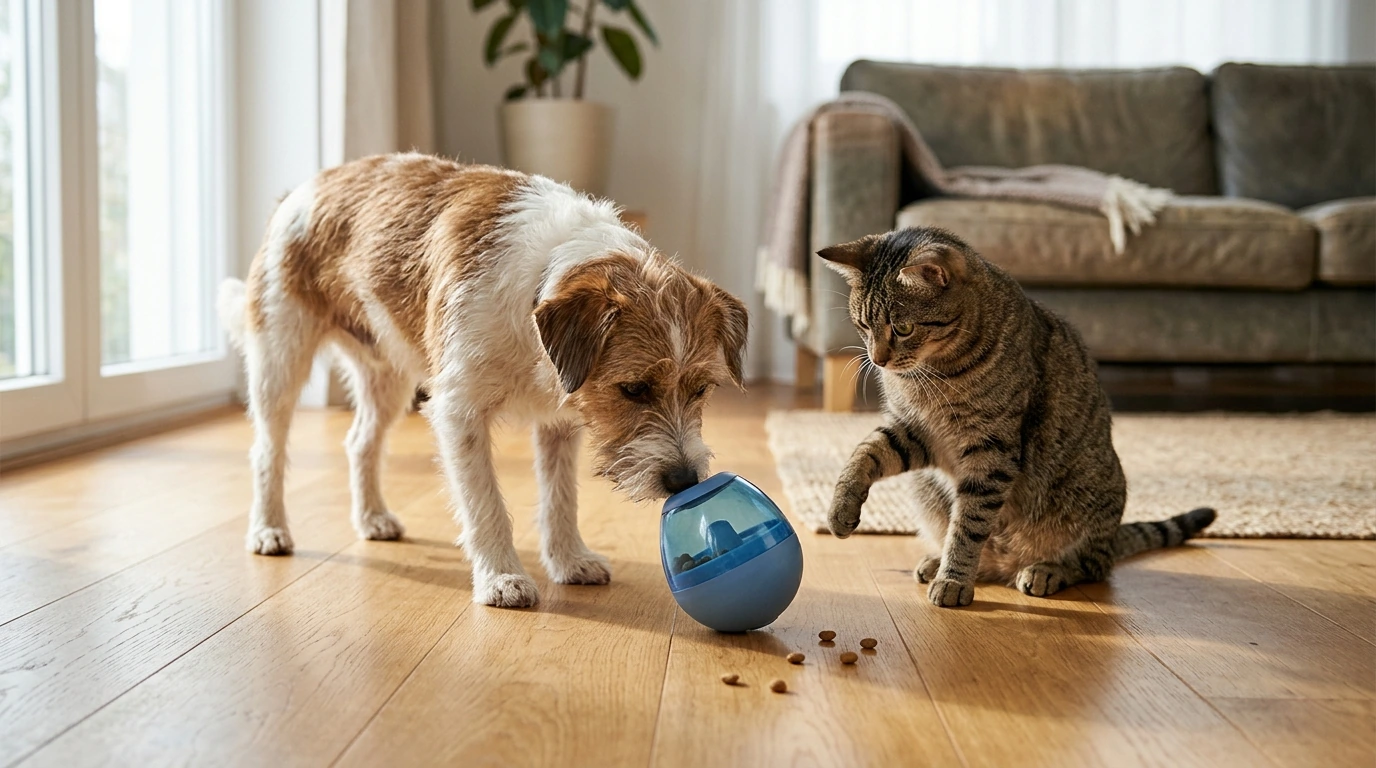
Interactive Treat Dispensing Tumbler Toy for Dogs and Cats
An engaging way to turn snack time into playtime, a treat-dispensing tumbler encourages pets to nudge, paw, and roll for rewards. The wobble-and-release style supports daily mental stimulation, helps slow down fast eaters, and adds an easy indoor activity that keeps curious dogs and cats busy—especially when outdoor time is limited. For more guidance, see Top 10 Interactive Smart Toys for Cats – Pet Gadget Insider.
What Makes a Tumbler Treat Toy So Engaging
Tumbler toys feel “alive” in a way a standard bowl or static feeder doesn’t. Their rounded, weighted bases are designed to wobble, scoot, and roll rather than tipping over and staying put. That movement matters: pets stay interested longer when the toy’s direction and speed change with each nudge. For further reading, see Tumbler Cat Treat Dispenser Toy Boredom Breaker Puzzle for ….
- Wobble-friendly shape: A rounded bottom encourages rolling and gentle rocking instead of a quick spill-and-done moment.
- Unpredictable motion: The toy rarely takes the same path twice, which keeps the game fresh and encourages continued engagement.
- Small reward releases: Treats come out in increments, prompting problem-solving, persistence, and repeated interaction.
- Easy enrichment on busy days: It works well for a short session before leaving the house or during bad-weather days when energy builds up indoors.
For more ideas on creating healthier routines that balance activity and stimulation, see guidance on pet exercise needs from the American Veterinary Medical Association.
Who It’s Best For
This style of interactive feeder is versatile, but it shines with pets who need a “job” to do. It’s also a helpful option when mealtimes get competitive or chaotic.
- Dogs that benefit from slowing down: Great for pups that inhale treats or need extra mental work between walks.
- Cats that like to hunt and bat: Ideal for cats that enjoy stalking, pawing, and chasing crunchy rewards across the floor.
- Easily bored pets: Helpful for pets that seek attention by chewing household items, scratching, or vocalizing.
- Multi-pet homes: Individual play sessions can reduce competition around food by creating separate “missions” rather than one shared bowl.
If you’re building a simple daily enrichment routine, the ASPCA’s enrichment overview offers practical ideas that pair well with treat-dispensing toys.
Key Features to Look For in Daily Use
Not every tumbler toy is equally convenient. The best ones fit your regular treats, stand up to repeated rolling, and are simple enough that you’ll actually use them daily.
- Treat opening compatibility: An opening that works with common kibble sizes and small training treats helps prevent constant clogging.
- Durable body: Look for a sturdy build that tolerates nudging, rolling, and the occasional drop.
- Easy refill access: If it’s frustrating to open or spills everywhere, it tends to get used less often.
- Quick cleaning: Smooth surfaces are easier to wipe clean after greasy treats (or small amounts of wet food, when applicable).
Quick Specs Checklist
| Feature | Why it matters | Practical tip |
|---|---|---|
| Adjustable or treat-friendly opening | Controls difficulty and treat flow | Start with larger treats/flow, then reduce as your pet learns |
| Stable wobble base | Keeps the toy moving and interesting | Best on hard floors or a low-pile rug for predictable rolling |
| Easy refill access | Encourages consistent daily use | Pre-portion treats for a 5–10 minute session |
| Simple cleaning | Reduces odor and bacteria buildup | Rinse/wipe after oily treats; fully dry before storing |
Shop In-Stock Favorites
If you’re ready to add an enrichment option to your routine, these in-stock picks pair well for everyday activity and training.
- Interactive Treat Dispensing Tumbler Toy for Dogs and Cats ($18.51) — a simple way to turn treats into a rolling, rewarding game.
- No-Pull Reflective Adjustable Dog Harness with Easy Strap-On Design ($23.51) — a practical companion for walks when you want to pair indoor enrichment with structured outdoor movement.
How to Introduce the Toy (First 3 Sessions)
A smooth introduction prevents frustration and helps your pet “learn the rules” quickly. The goal early on is frequent success, not maximum difficulty.
- Session 1: Let your pet sniff the toy. Drop a few treats near it, then place one or two inside so your pet connects the toy with rewards.
- Session 2: Use higher-value, larger treats that dispense easily. Quick wins build confidence and keep the toy exciting.
- Session 3: Increase the challenge gradually by switching to smaller kibble or using fewer treats inside, so your pet has to work longer.
Keep the first sessions short and end while your pet is still engaged. A quick “I want more!” finish often leads to better enthusiasm next time.
Tips for Getting More Mental Stimulation
Once your pet understands the game, small changes can make the activity feel new again—without buying extra gear.
For additional enrichment strategies—especially for dogs that need structured indoor outlets—VCA Animal Hospitals provides a helpful overview of environmental enrichment for dogs.
Safety, Supervision, and Cleaning
Common Issues and Simple Fixes
FAQ
Can this be used for both dogs and cats?
Yes. Match the treat size and difficulty to the pet, and start with easy-dispensing treats so cats and smaller pets get quick success.
How long should a treat-dispensing play session last?
Most sessions last about 5–15 minutes, depending on your pet’s interest and how many treats you load. Pre-portion treats so playtime doesn’t accidentally turn into overfeeding.
What treats work best in a tumbler toy?
Dry kibble or small, non-sticky training treats tend to dispense most consistently. If soft or oily treats leave residue or cause clogs, switch to a drier option and clean the toy after each use.









Leave a comment